
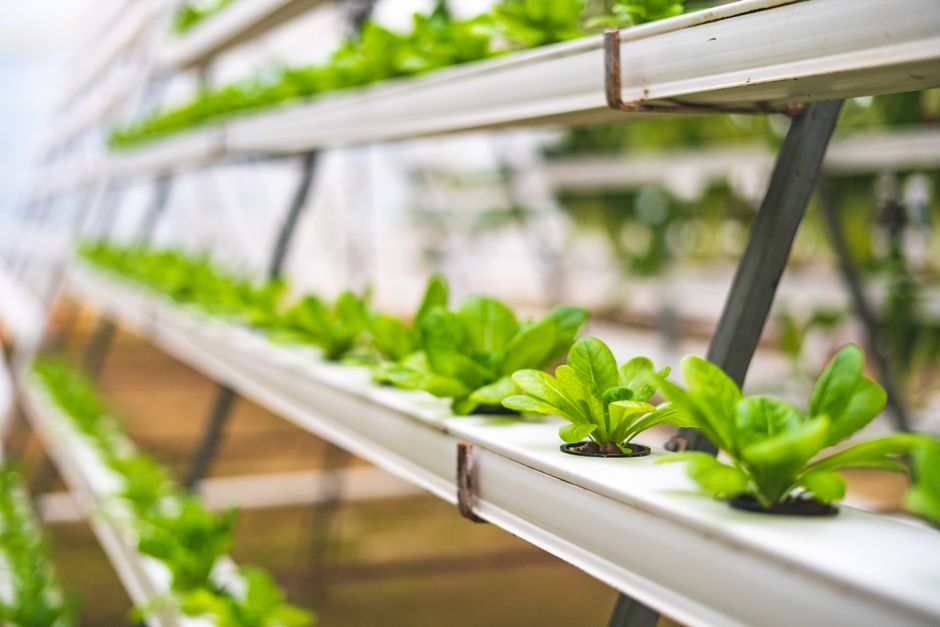
Hydroponics and Vertical Farming: Revolutionizing Modern Agriculture
Understanding Hydroponics
Hydroponics is an innovative method of growing plants without soil, using mineral nutrient solutions in an aqueous solvent. This technique allows for precise control over plant nutrition, leading to faster growth and higher yields. Learn more about hydroponic systems to understand how they operate and their benefits.
The Rise of Vertical Farming
Vertical farming involves stacking layers of crops within controlled environment buildings, often utilizing hydroponic or aeroponic systems. This approach maximizes space efficiency and can be implemented in urban areas, bringing fresh produce closer to consumers. Explore the concept of vertical farms to see how they are revolutionizing food production.
Benefits of Combining Hydroponics and Vertical Farming
Integrating hydroponics into vertical farming setups offers numerous advantages, including water conservation, reduced need for pesticides, and year-round crop production. Learn more about these benefits and how this synergy is shaping future agriculture.
Challenges and Opportunities
While the technology holds great promise, challenges such as high initial investment and energy consumption exist. However, ongoing innovations and sustainable practices are making these methods more accessible and environmentally friendly. Discover the challenges and opportunities in adopting hydroponic vertical farming systems.
Conclusion
As the global population grows, sustainable solutions like hydroponics and vertical farming will become essential in ensuring food security and environmental conservation. Embracing these technologies can lead to a more resilient and productive agricultural future.