
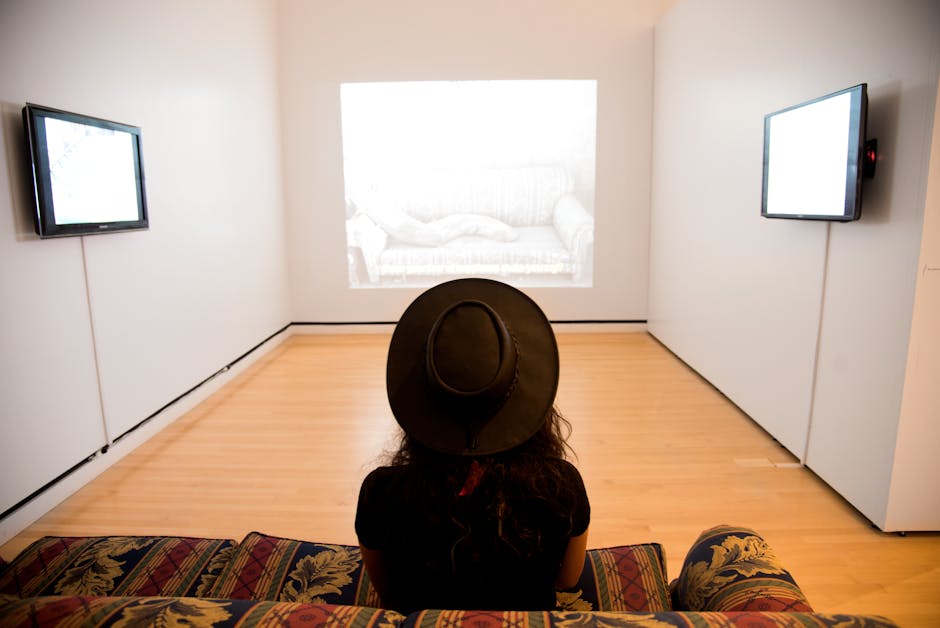
Immersive Experiences in Modern Museums
The Rise of immersive experiences in modern museums
Over the past decade, museums have shifted from traditional displays to engaging, innovative approaches that captivate visitors. This trend emphasizes creating interactive exhibits that not only educate but also entertain and inspire.
Technological Advancements Enhancing Visitor Engagement
Modern museums incorporate digital technology such as virtual reality (VR), augmented reality (AR), and multimedia installations to craft immersive experiences. These tools allow visitors to step into historical events or explore artworks in a 3D environment.
Benefits of Immersive Experiences
Engaging in immersive environments helps visitors develop a deeper understanding of culture and history. By actively participating, visitors gain a more memorable and meaningful connection with the exhibits.
Examples of Modern Museums Leading the Way
- teamLab Borderless in Japan: A digital art museum featuring interactive, boundary-free installations.
- Museum of the Mind: Combines storytelling with VR to explore mental health history.
- Vatican Museums Virtual Tour: Offers an immersive experience of world-famous artworks through digital platforms.
As technology continues to evolve, expect future innovations to further enhance immersive experiences in museums worldwide.