
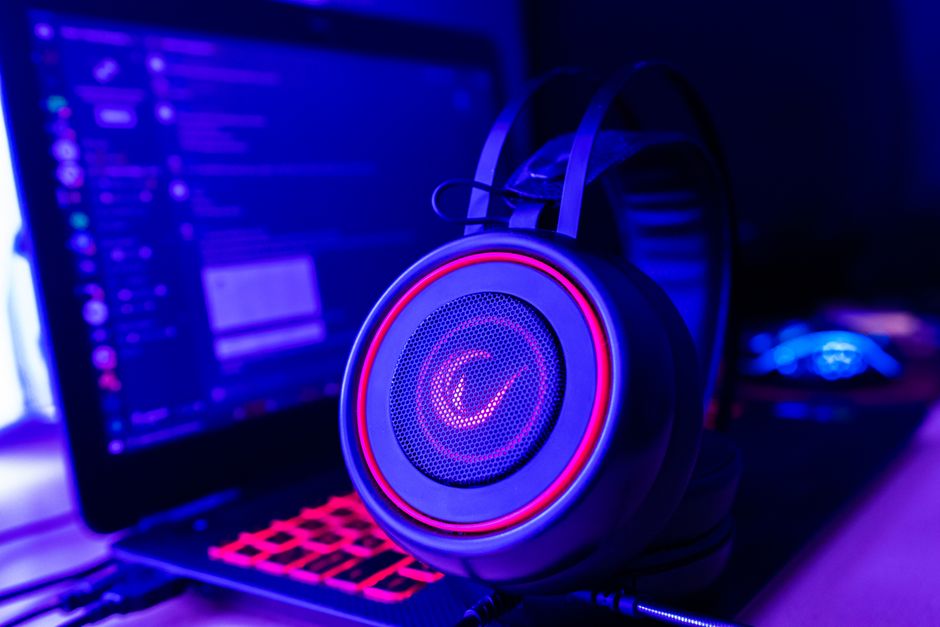
Immersive Sound Design: Enhancing Audio Experiences
What is Immersive Sound Design?
Immersive sound design refers to the process of creating audio experiences that surround the listener, making them feel as if they are inside the environment. This technique uses advanced audio technologies such as spatial audio, 3D sound, and binaural recording to enhance realism and engagement in various media formats.
The Importance of Immersive Audio
In today's digital landscape, users expect a more compelling and realistic experience. Whether in film production, video game development, or virtual reality applications, immersive sound design plays a crucial role in storytelling and user engagement.
Techniques Used in Immersive Sound Design
- Spatial Audio: Techniques that position sounds in a 3D space to mimic real-world hearing.
- Binaural Recording: Capturing audio with two microphones to create a 3D stereo effect when listened to with headphones.
- Ambisonics: A full-sphere surround sound technique that allows flexible soundfield manipulation.
- Head-Tracking Integration: Synchronizing sound with user head movements for enhanced realism.
Benefits of Implementing Immersive Sound Design
Employing immersive audio techniques can significantly improve user experience by increasing immersion, emotional impact, and spatial awareness. This can lead to more engaging virtual reality experiences, more compelling film soundtracks, and dynamic gaming environments.
Conclusion
As immersive sound design continues to evolve with emerging technologies, creators have more tools than ever to craft compelling audio environments. Whether for entertainment, education, or training, investing in immersive audio can profoundly enhance the quality of your projects.