
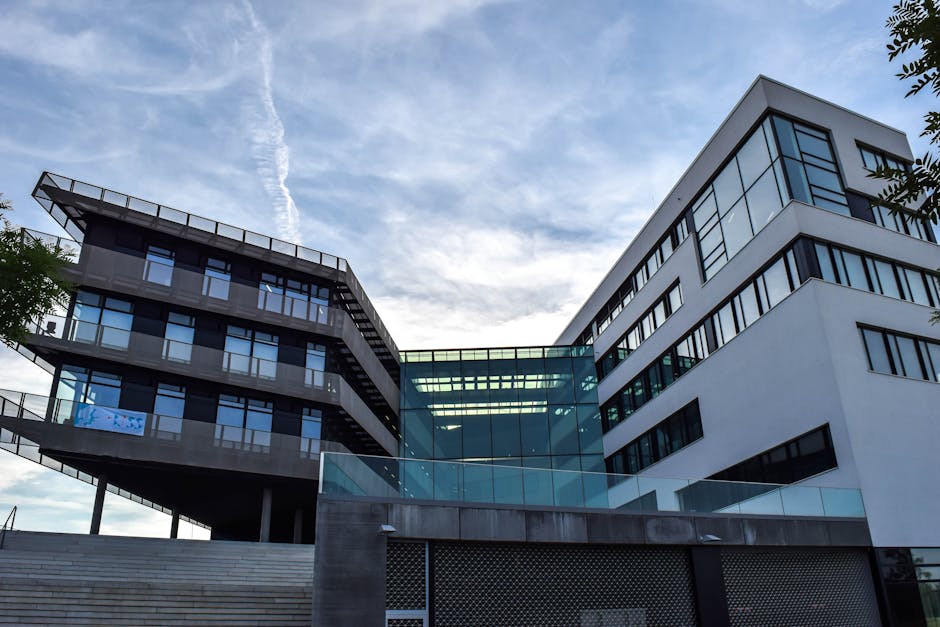
Innovative Urban Designs for Resilient Cities
Introduction to Resilient Urban Design
As cities face increasing challenges from climate change, population growth, and environmental pressures, innovative urban designs are essential for creating resilient urban environments. These designs focus on sustainability, adaptability, and community well-being.
The Importance of Resilience in City Planning
Resilience in urban settings refers to a city's ability to withstand and recover from adverse events such as natural disasters or economic disruptions. Incorporating resilient strategies in city planning ensures long-term sustainability and safety for residents.
Key Features of Innovative Urban Designs
- Green infrastructure integration
- Smart transportation systems
- Mixed-use developments
- Flexible public spaces
- Utilization of renewable energy sources
Examples of Resilient Urban Projects
Many cities around the world are adopting innovative urban projects that demonstrate resilience, such as green roofs, flood barriers, and eco-districts. These initiatives exemplify forward-thinking approaches to urban development.
Conclusion
Integrating innovative urban designs is vital for building cities that are not only sustainable but also capable of adapting to future challenges. Embracing these strategies will lead to healthier, safer, and more resilient communities.