
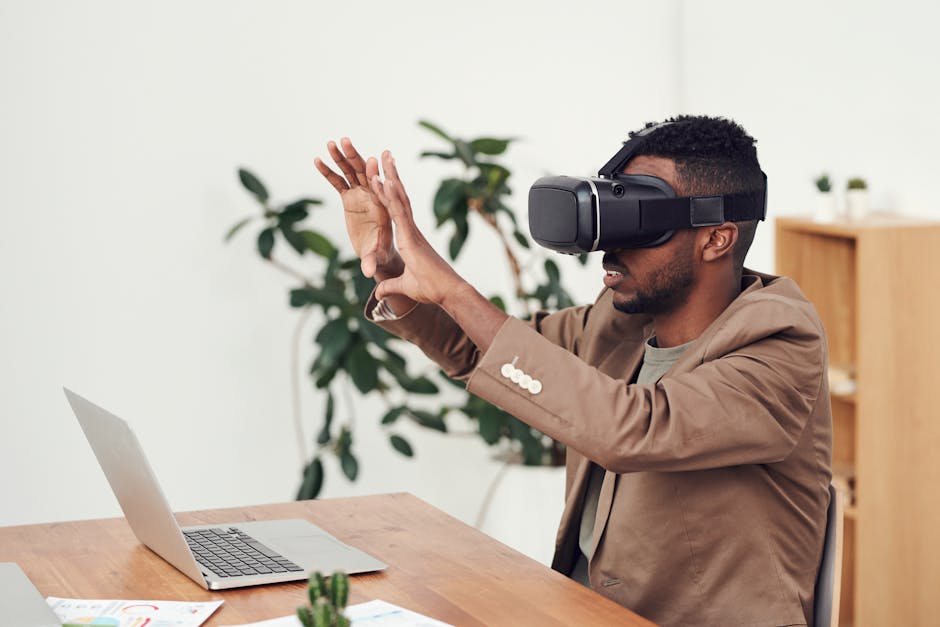
Introduction to Augmented Reality: Exploring the Future of Digital Interaction
Augmented reality (AR) is an innovative technology that enhances our perception of the real world by overlaying digital information onto physical environments. Unlike virtual reality, which immerses users in a completely virtual environment, AR enriches the real world with interactive elements that can be viewed through smartphones, tablets, or specialized AR glasses.
What is Augmented Reality?
Augmented reality involves superimposing computer-generated images, sound, or other data onto the real world in real-time. This allows users to experience a seamless blend of digital and physical objects, opening up new possibilities for learning, gaming, navigation, and more.
Applications of Augmented Reality
From entertainment to education, AR has a wide array of applications. In the retail industry, AR enables customers to virtually try on clothes or visualize furniture in their homes. In healthcare, AR assists surgeons during complex procedures. Additionally, AR gaming, such as augmented reality gaming, creates immersive experiences that captivate users worldwide.
Future of Augmented Reality
The future of AR looks promising with continuous advancements in hardware and software. As AR devices become more accessible and affordable, we can expect more integration into daily life, from smart glasses to augmented reality-assisted workspaces. To learn more about how AR is evolving, visit future of augmented reality.
Getting Started with Augmented Reality
If you're interested in exploring augmented reality, consider trying out AR applications on your smartphone or investing in AR hardware. Many educational platforms also offer tutorials and resources to help you understand how AR works and how to develop your own AR projects.