
Understanding Invisible Measurements in Modern Physics
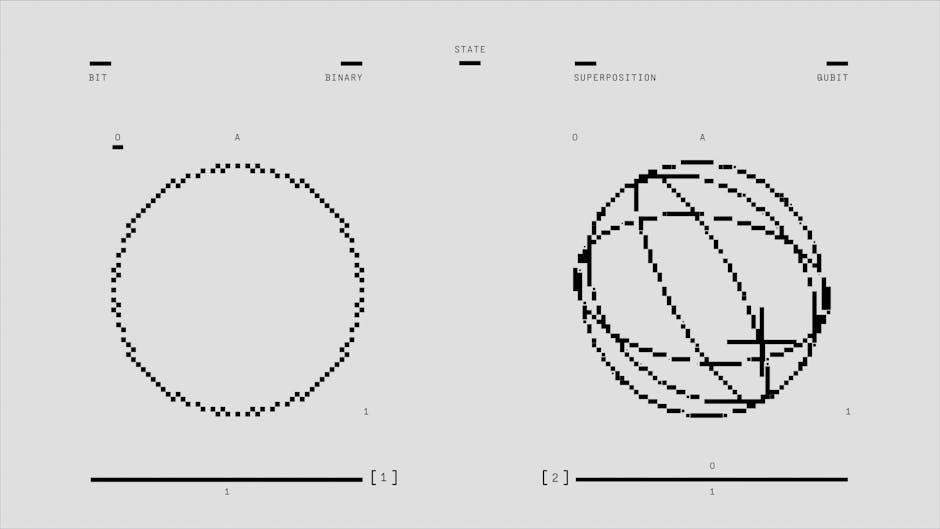
Modern physics continually challenges our perception of the universe, especially through the concept of invisible measurements. These measurements, which often cannot be directly observed, play a crucial role in phenomena such as quantum entanglement and superposition.
In traditional physics, measurements are straightforward and tangible, like measuring length or weight. But in quantum mechanics, many measurements are inherently inherent uncertainties or only evident through their effects on particles and systems. This leads to a fascinating realm where observations impact the state of the system without a clear, visible interaction.
Understanding these invisible measurements is essential for advancements in quantum computing and encryption. When particles become entangled, the measurement of one instantly influences the other, even without a direct interaction, showcasing a form of invisible measurement at work.
For those interested in exploring further, learning about the role of invisible measurements in modern theory provides insight into how physicists interpret quantum phenomena and strive to unify different physical theories.
Overall, the study of invisible measurements pushes the boundaries of what we consider observable and measurable, giving us a deeper understanding of the universe's fundamental nature.