
Understanding Machine Learning in Healthcare
Machine learning has become a vital component in modern healthcare, enabling practitioners to analyze vast amounts of medical data efficiently. Its ability to identify patterns and make predictions has revolutionized diagnosing diseases, personalizing treatments, and managing patient care.
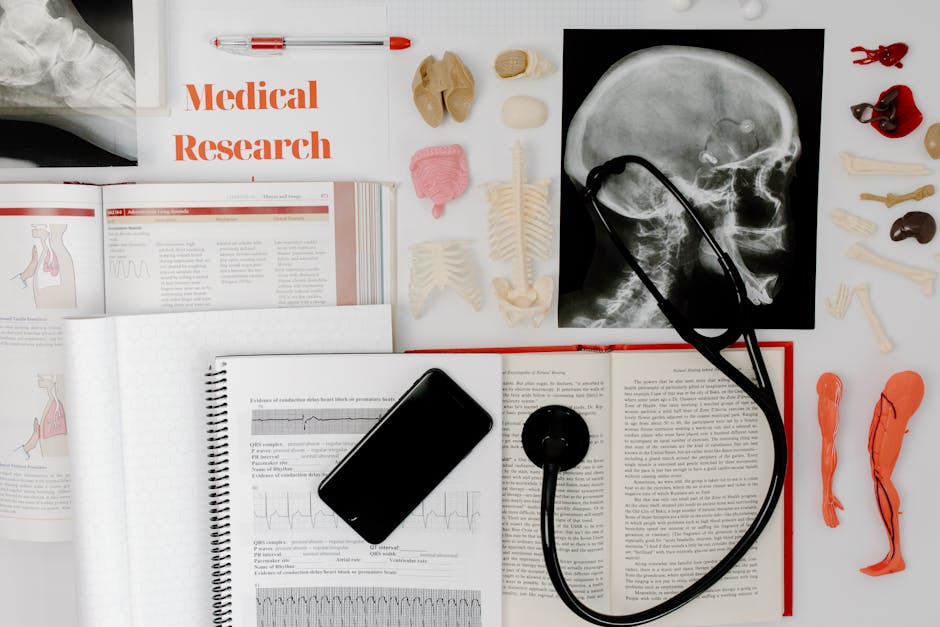
One of the key advantages of processing medical data with machine learning is the enhancement of diagnostic accuracy. Algorithms can detect anomalies in medical images such as X-rays or MRIs with precision beyond human capability, aiding radiologists in early detection of conditions like tumors or fractures.
Furthermore, predictive analytics in healthcare help anticipate disease outbreaks and patient deterioration, allowing for proactive interventions. This proactive approach can significantly reduce hospital readmission rates and improve patient outcomes.
Another exciting development is the use of personalized medicine approaches, where machine learning models tailor treatment plans based on individual genetic profiles. This customization leads to more effective therapies with fewer side effects.
As technology advances, the integration of machine learning with electronic health records systems will continue to streamline healthcare workflows, improve data accuracy, and support clinical decision-making.
Despite its many benefits, implementing machine learning in healthcare also comes with challenges such as data privacy concerns and the need for high-quality data. Addressing these issues is crucial to ensure ethical and effective deployment of AI tools in medical settings.
In summary, machine learning's role in healthcare is expanding rapidly, promising better diagnostics, personalized therapies, and enhanced patient care. Stay informed about this exciting evolution to understand how it can benefit you or your loved ones.