
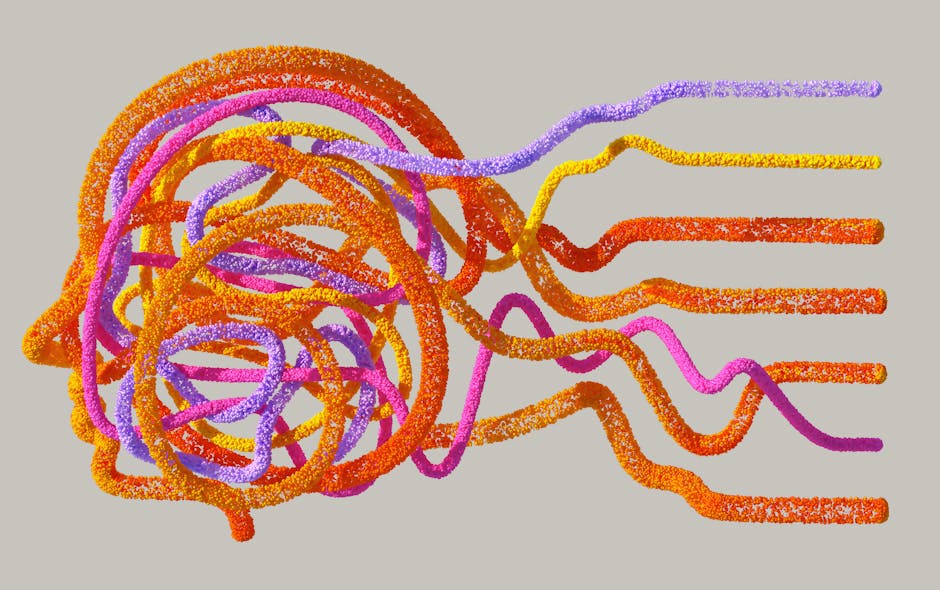
Understanding Mind-to-Mind Communication: Neuroscience and Telepathy
In recent years, the concept of mind-to-mind communication has shifted from the realms of science fiction to a field of serious scientific inquiry. Researchers are exploring how the human brain might connect directly with others without the use of language or traditional communication channels.
At the core of this exploration is neuroscience, which studies the intricate workings of the brain and how neural signals can potentially be transmitted between individuals. Recent advances in neuroimaging techniques such as fMRI and EEG have provided new insights into how brain-to-brain interfaces might function.
One of the most intriguing aspects of this research is the idea of telepathy—the supposed ability to transmit thoughts directly from one mind to another. While traditionally regarded as a paranormal phenomenon, some scientists argue that understanding the neural basis of thought transmission could make telepathy plausible in the future.
Experimental studies involving brain-computer interfaces have demonstrated that it's possible to facilitate basic forms of mind-to-mind communication using technological devices. These experiments open new pathways for communication, especially for individuals with speech or physical limitations.
As research progresses, the boundary between science and science fiction continues to blur. The exciting possibility of connecting minds directly without words or gestures could revolutionize how humans communicate, collaborate, and understand one another. For now, the field remains a blend of scientific investigation and speculative potential, inviting curious minds to explore what the future may hold.