
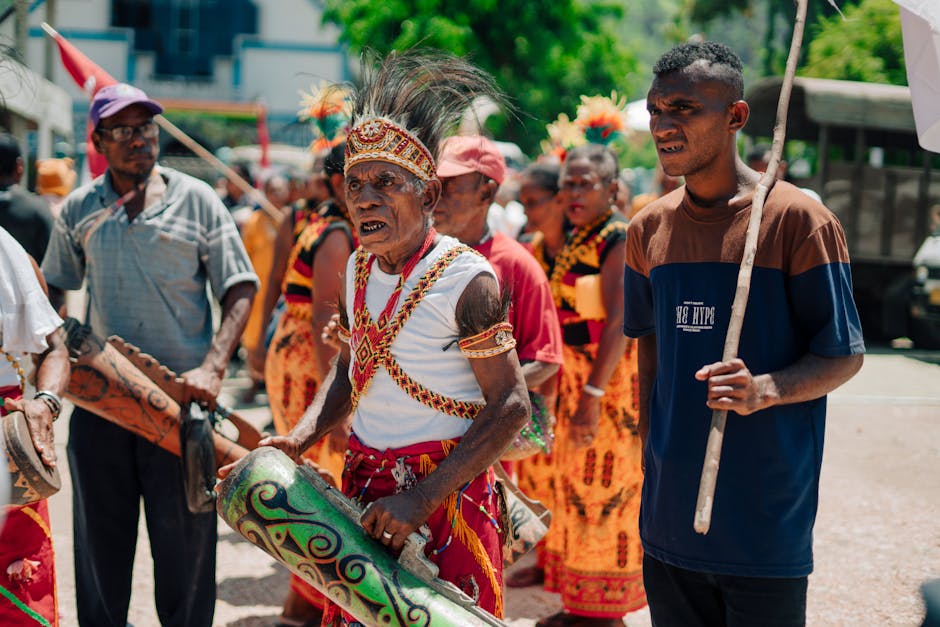
Mysterious Folk Customs Around New Year's
Introduction to Mysterious Folk Customs Around New Year's
New Year celebrations are rich in history and tradition, often filled with fascinating folk customs that have been passed down through generations. These customs, some mysterious and others deeply symbolic, reveal the diverse ways communities mark the beginning of a new year. In this article, we explore some of the most intriguing folk customs around New Year's from around the world.
Ancient Rituals and Their Significance
Many New Year customs originated from ancient rituals aimed at banishing evil spirits, inviting prosperity, or ensuring a good harvest. For example, in ancient Europe, people would perform nocturnal dances and sing magical songs to ward off bad luck. These rituals often involve symbolism such as fire, masks, and specific attire, adding a layer of mystery to the celebrations.
Unique Customs from Different Cultures
Japan - Otoshidama and Mochi
In Japan, the custom of giving Otoshidama (money in small envelopes) and sharing mochi rice cakes is deeply rooted in tradition. The rice cakes are often shaped into human figures or animals as part of rituals to bring good fortune.
Spain - Eating 12 Grapes
In Spain, it is customary to eat 12 grapes at midnight, one for each stroke of the clock, symbolizing hopes for the upcoming months. This tradition is believed to bring luck for the new year and carries an air of mystery regarding its origins.
Russia - Kirishda and Fortune-Telling
Russian New Year celebrations include mysterious rituals such as fortune-telling and performing special dances called Kirishda. These customs are believed to reveal personal fortunes and ensure prosperity.
Symbols and Superstitions
Many folk customs involve symbolic objects, colors, and actions meant to attract luck and repel negativity. For example, in some cultures, throwing bread or salt is a common practice for prosperity, while wearing specific colors can influence luck.
Conclusion
The mysterious folk customs around New Year's reflect the rich cultural tapestry and human desire for a fresh start. Whether rooted in ancient myths or modern adaptations, these practices continue to fascinate and bring communities together as they welcome the new year with hope and mystery.