
Unveiling Mysterious Myths About Quantum Physics
Introduction to Quantum Physics
Quantum physics is a branch of science that studies the behavior of matter and energy at the smallest scales, such as atoms and subatomic particles. Despite its groundbreaking discoveries, it has also been surrounded by various myths and misconceptions that often confuse the public and even some researchers.
Common Myths About Quantum Physics
Myth 1: Quantum Physics Allows for Time Travel
Many believe that quantum physics enables time travel, but this is a misconception. While some theories explore the possibility of wormholes and other phenomena, practical time travel remains beyond current scientific understanding.
Myth 2: Quantum Physics Violates Classical Logic
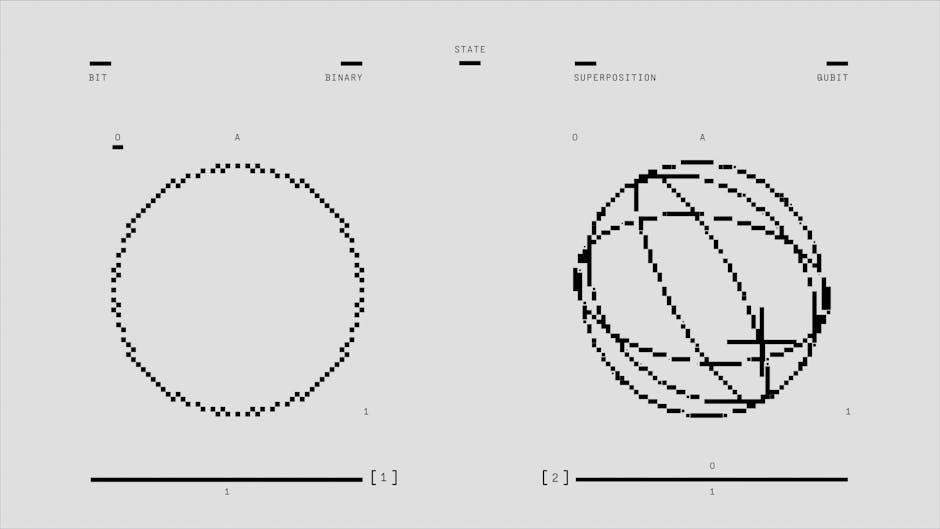
The idea that quantum mechanics breaks all rules of classical logic is misleading. Instead, it introduces concepts like superposition and entanglement, which challenge intuition but are consistent within quantum theory. To learn more, visit our page on quantum entanglement.
Myth 3: Observers Control Reality
This myth suggests that human observers directly control reality through measurement. In reality, quantum systems follow probabilistic laws, and the role of the observer is often misunderstood. For a detailed explanation, see our article on observer effect.
The Reality Behind These Myths
Many myths arise from oversimplifications or misconceptions about complex theories. It’s important to approach quantum physics with a clear understanding and consult reputable sources. Quantum physics continues to revolutionize our understanding of the universe, moving past myths to uncover new horizons.