
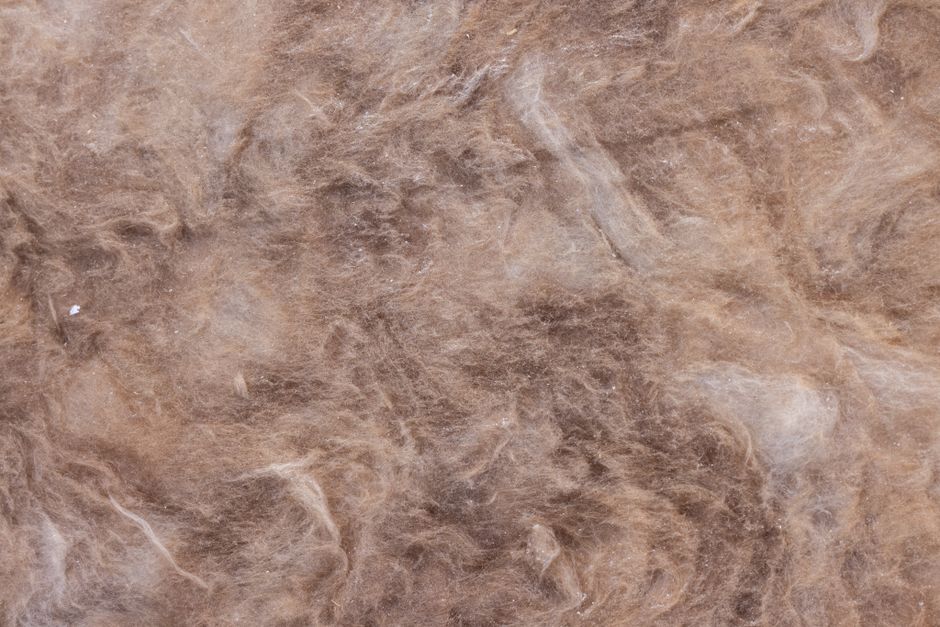
Natural Insulation: Eco-Friendly Ways to Improve Your Home's Energy Efficiency
Understanding Natural Insulation
Natural insulation refers to eco-friendly materials used to insulate buildings, providing an effective way to enhance energy efficiency while minimizing environmental impact. Unlike synthetic options, natural insulation is biodegradable, sustainable, and non-toxic.
Types of Natural Insulation Materials
- Hemp Insulation: Known for its excellent thermal properties and durability.
- Sheep's Wool: Offers natural moisture regulation and good insulation capabilities.
- Cellulose: Made from recycled paper, it's an environmentally friendly and affordable option.
Benefits of Using Natural Insulation
Choosing natural insulation materials can reduce your carbon footprint, improve indoor air quality, and contribute to a healthier living environment. Additionally, these materials often have better breathability and moisture management compared to synthetic alternatives.
Installation Tips for Natural Insulation
Ensure proper installation to maximize effectiveness. For example, when installing hemp or sheep's wool, pay attention to vapor barriers and proper sealing to prevent drafts and moisture issues. It’s often best to consult with a professional experienced in natural insulation installation.
Conclusion
Switching to natural insulation is a sustainable choice for homeowners looking to make environmentally conscious upgrades. By exploring options like hemp and sheep's wool, you can improve your home's energy efficiency and contribute to a healthier planet.