
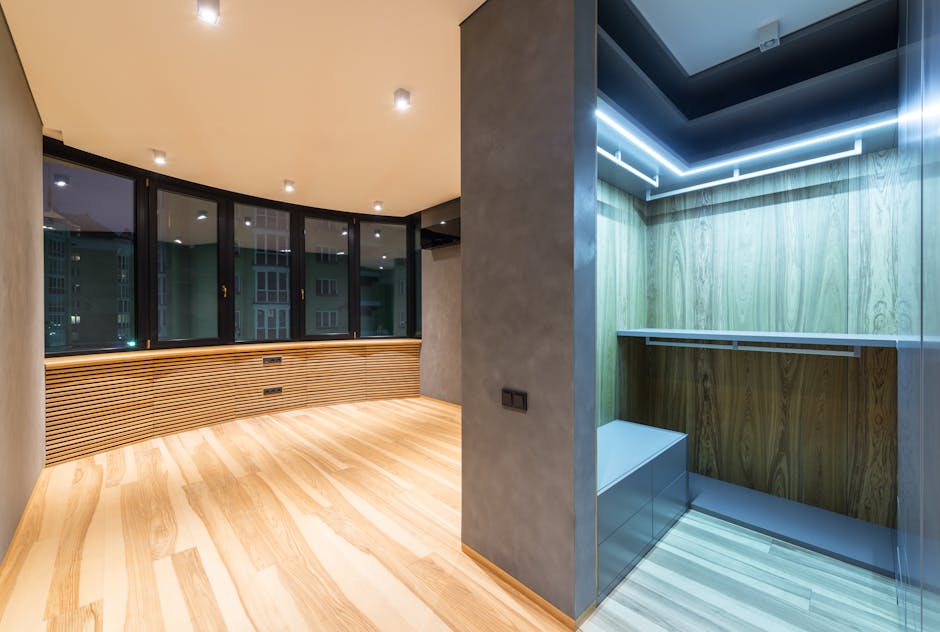
Harnessing Natural Light and Ventilation for a Healthier Home
Understanding the Benefits of Natural Light and Ventilation
Creating a comfortable and energy-efficient living space involves maximizing natural light and ventilation. These sustainable features not only reduce your energy bills but also promote better health and well-being.
Maximizing Natural Light
To make the most of natural light, consider window placement and size. Installing large windows or glass doors in key areas such as the living room can significantly brighten your space. Additionally, using light-colored walls and reflective surfaces helps distribute light more evenly throughout your home.
Enhancing Natural Ventilation
Good airflow can be achieved through strategic window placement and the inclusion of vents. Cross-ventilation, where air enters from one side and exits from the opposite, is particularly effective in maintaining fresh indoor air quality. For more tips, check our guide on natural ventilation techniques.
Design Tips for Better Natural Light and Ventilation
- Plan window orientation to maximize sunlight exposure based on your climate.
- Use adjustable window openings to control airflow and light levels.
- Incorporate vents or exhaust fans in areas prone to moisture build-up, like bathrooms and kitchens.
Conclusion
Implementing effective natural light and ventilation strategies can lead to a healthier, more sustainable home. By considering these elements during your design or renovation process, you create a living environment that supports your health and reduces your carbon footprint.