
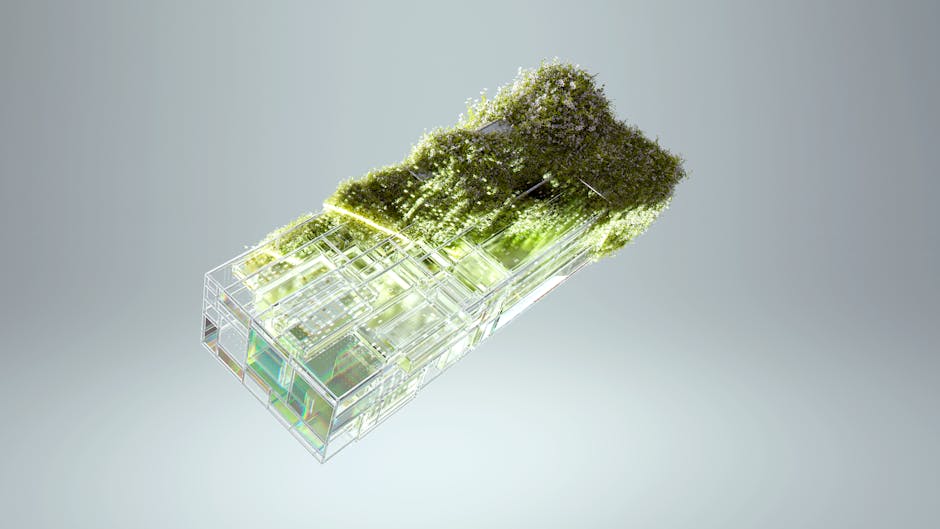
Nature-Inspired Architecture Secrets Unveiled
Introduction to Nature-Inspired Architecture
Nature-inspired architecture, also known as biomimicry in design, is a fascinating field that draws inspiration from the natural world to create sustainable and innovative structures. By studying elements like the structure of leaves, animal habitats, and natural patterns, architects can unveil secrets that lead to more efficient and environmentally friendly buildings.
Core Principles of Nature-Inspired Design
At the heart of this architectural approach are principles such as sustainability, biomimicry, and eco-friendliness. These principles focus on minimizing environmental impact while maximizing energy efficiency and aesthetic appeal.
Secrets Behind Successful Nature-Inspired Structures
One of the key secrets is understanding and applying natural patterns, such as the Fibonacci sequence or the hexagonal structure of honeycombs. These patterns optimize strength and efficiency, leading to innovative building designs. Exploring examples like the Eden Project in the UK or the biomimicry architecture examples demonstrates how nature’s secrets can be successfully incorporated into modern architecture.
Innovative Techniques and Materials
Recent advances include the use of green materials and modular construction techniques that mimic natural processes. These innovations help achieve structures that are both visually captivating and environmentally responsible.
The Future of Nature-Inspired Architecture
The future holds promising opportunities for integrating more natural elements into urban environments, such as living walls and renewable energy solutions inspired by nature’s systems. Architects and designers continue to uncover secrets of the natural world to enhance our built environment.