
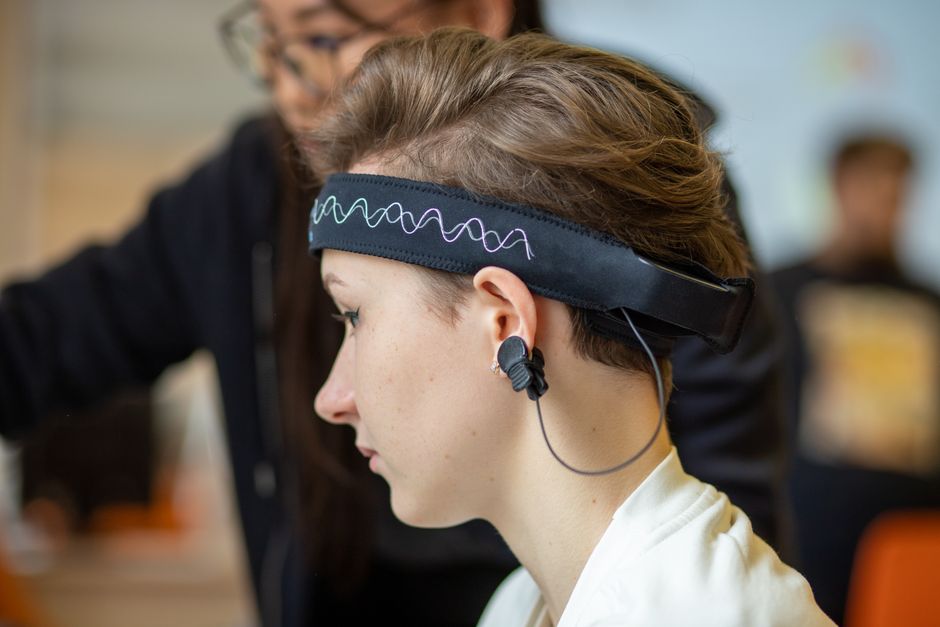
Understanding Neuroscience and Brain-Computer Interfaces
An Introduction to Neuroscience
Neuroscience is the scientific study of the nervous system, focusing on how the brain and spinal cord function. It encompasses various disciplines such as neurobiology, psychology, and neurology. A solid neuroscience overview provides insight into the complexities of neural pathways, brain structures, and their roles in behavior and cognition.
What Are Brain-Computer Interfaces?
Brain-Computer Interfaces (BCIs) are innovative technologies that enable direct communication between the brain and external devices. By decoding electrical signals generated by neural activity, BCIs can control computers, prosthetic limbs, or other machines, offering promising solutions for restoring mobility and communication for individuals with neurological conditions.
The Role of Neuroscience in Developing BCIs
Advances in neuroscience have been crucial in understanding how to interpret neural signals accurately. Researchers utilize this knowledge to improve BCI algorithms, making them more reliable and efficient. The intersection of neuroscience and BCI technology is a rapidly evolving field that could revolutionize healthcare and human augmentation.
The Future of Brain-Computer Interfaces
As neuroscience continues to expand our understanding of the brain, BCI technology is becoming more sophisticated. Future developments may include seamless integration with neural tissue, enabling enhanced cognitive functions, or even enabling humans to interact with digital environments naturally. This synergy could lead to breakthroughs in prosthetics, neurorehabilitation, and beyond.