
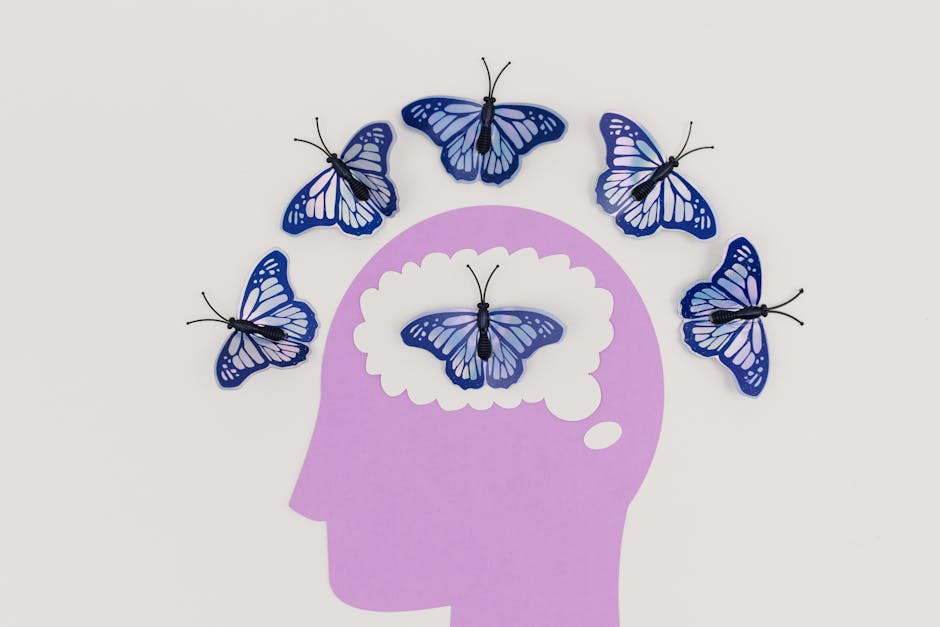
Overlooked Truths: How Cognitive Biases Shape Your Decisions
Understanding Cognitive Biases and Their Impact
Every day, we make countless decisions, often without realizing how our cognitive biases influence our choices. These mental shortcuts can distort our judgment, leading us to overlook important information or make irrational decisions.
The Most Common Cognitive Biases
- Confirmation Bias: Favoring information that confirms our existing beliefs. See examples of confirmation bias.
- Anchoring Bias: Relying too heavily on the first piece of information encountered. Learn about anchoring bias.
- Hindsight Bias: Believing we knew the outcome after it has happened. Understand hindsight bias.
How These Biases Shape Your Decisions
Recognizing the influence of cognitive distortions can help you make more informed choices. For instance, decision making that is aware of these biases leads to better outcomes in your personal and professional life.
Strategies to Overcome Cognitive Biases
- Seek diverse perspectives to challenge your assumptions.
- Slow down your decision-making process to allow for critical thinking.
- Educate yourself about common biases and their effects.
By understanding and addressing overlooked truths about decision-making, you can improve your judgment and avoid common pitfalls that hinder rational thinking.