
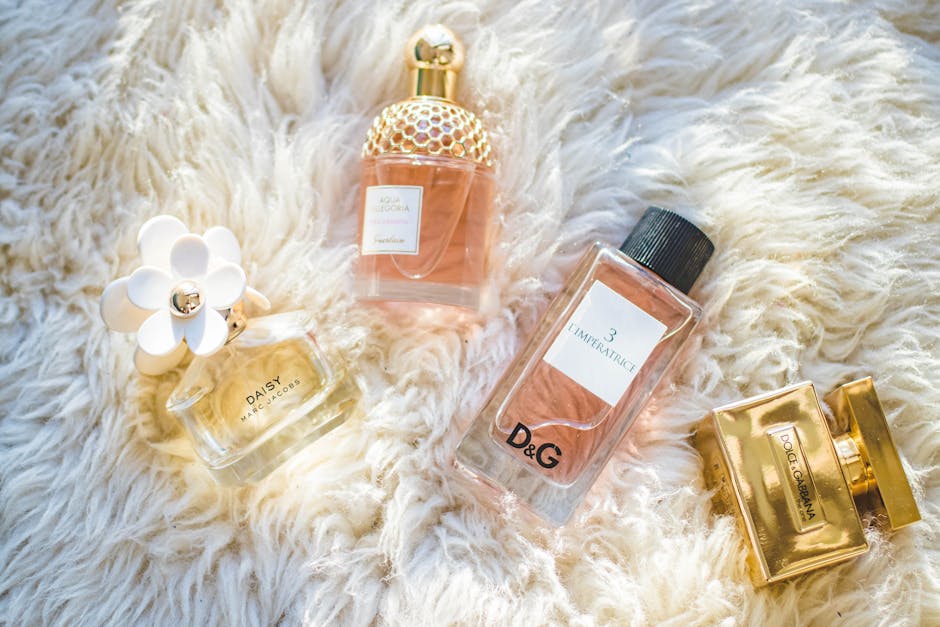
Perfume Composition: Unveiling the Art Behind Fragrance Creation
Perfume composition is an intricate art that involves blending various ingredients to create unique and captivating scents. A perfumer carefully selects and combines different aromatic substances to achieve the desired fragrance.
The composition of a perfume can be classified into three main categories: top, middle (or heart), and base notes. Each note contributes to the overall scent profile and has a specific purpose.
The top notes are the initial impression of a perfume. They are usually light, fresh, and evaporate quickly. Common top notes include citrus fruits, herbs, and light florals.
The middle notes appear once the top notes have evaporated. They are often referred to as the heart of a fragrance and have a more prominent and long-lasting aroma. Floral, spicy, and fruity scents are commonly found in the middle notes.
The base notes are the foundation of a perfume. They emerge after the middle notes and provide depth, richness, and longevity to the scent. Common base notes include woody, musky, and amber elements.
Perfumers use various techniques to create well-balanced compositions. One of the most important techniques is blending. By combining different ingredients in precise proportions, perfumers can achieve a harmonious and unique fragrance.
Another technique used in perfume composition is layering. This involves applying different scents in specific order to create a complex and multi-dimensional fragrance.
Overall, perfume composition is a delicate and creative process that requires expertise and an understanding of fragrance families, ingredient properties, and olfactory harmony. Perfumers, with their artistic flair and knowledge, bring to life captivating scents that evoke emotions and create lasting memories.