
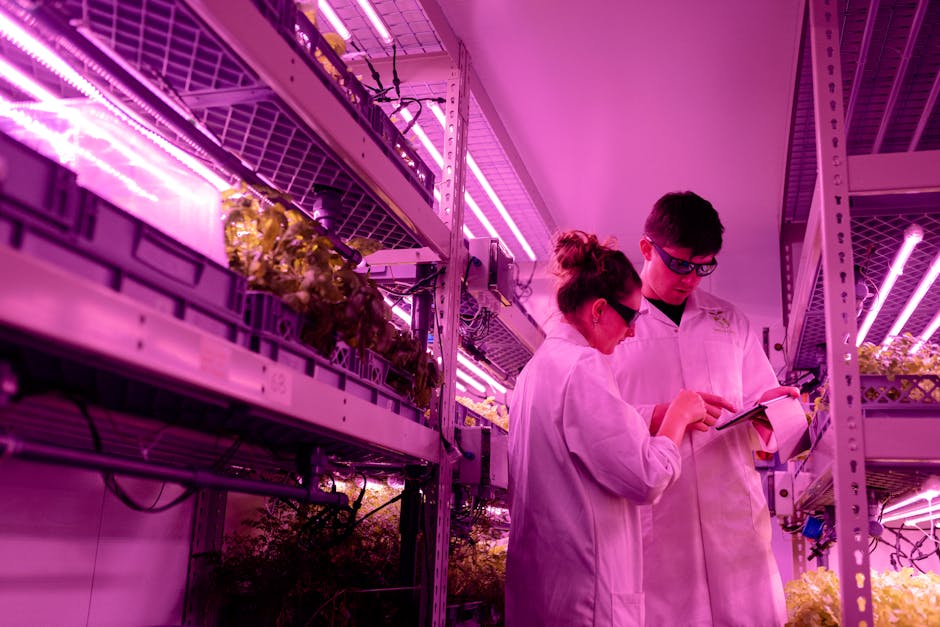
Understanding Precision Agriculture: The Future of Sustainable Farming
Introduction to Precision Agriculture
Precision agriculture is a modern farming approach that uses advanced technologies such as GPS, remote sensing, and data analytics to optimize crop yields and resource usage. This method enables farmers to make informed decisions, leading to increased productivity and sustainability.
Key Technologies in Precision Farming
The core components of precision agriculture technologies include GPS-guided equipment, drones for aerial imaging, IoT sensors for soil and crop monitoring, and data management platforms. These tools help in precisely applying water, fertilizers, and pesticides, reducing waste and environmental impact.
Benefits of Precision Agriculture
- Increased crop yields through targeted interventions
- Reduced resource consumption and environmental footprint
- Cost savings on inputs and labor
- Data-driven decision-making for better farm management
Challenges and Future Outlook
Despite its advantages, adopting precision agriculture involves high initial investments and technical expertise. However, ongoing innovations and decreasing costs are making this approach more accessible, paving the way for more sustainable and efficient farming in the future.
Conclusion
As agriculture continues to evolve, precision agriculture stands out as a promising solution to meet global food demand while preserving environmental health. Embracing these technologies can lead to a more sustainable and productive food system for generations to come.