
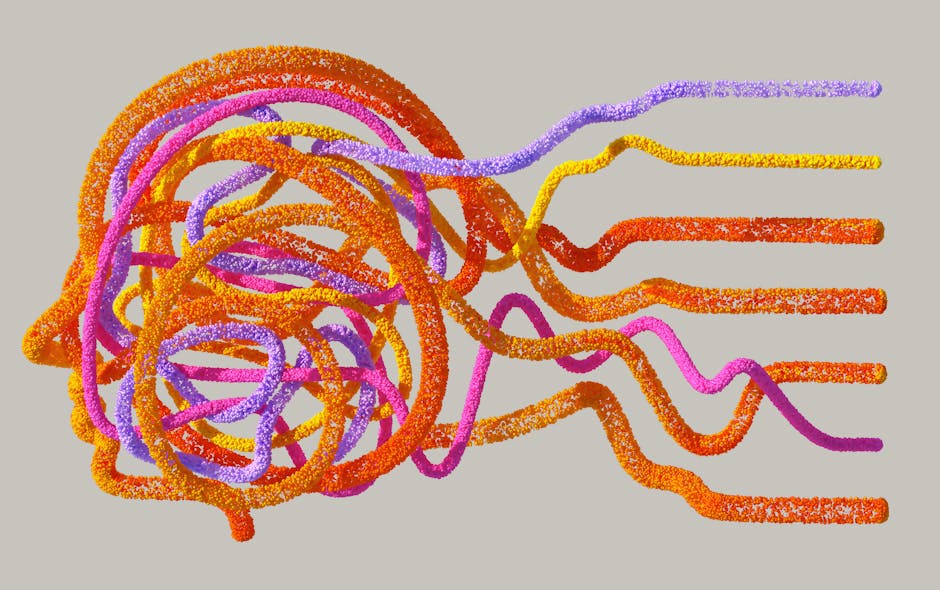
Exploring the Impact of Quantum Computing on Neuroscience
Quantum computing is rapidly emerging as a groundbreaking technology with the potential to revolutionize various scientific fields, including neuroscience. Its ability to perform complex calculations at unprecedented speeds enables researchers to simulate and analyze brain functions more accurately than ever before.
One of the key advantages of quantum computing in neuroscience is its potential to model neural networks and brain activity in ways that classical computers cannot handle efficiently. This can lead to breakthroughs in understanding brain complexity and help identify new therapeutic targets for neurological disorders.
Furthermore, the integration of quantum mechanics and neuroscience opens avenues for exploring the fundamental processes that underlie consciousness and cognition, providing insights into fundamental questions about the nature of the mind.
As the field progresses, collaborations between quantum physicists and neuroscientists are becoming essential to harness the full potential of this technology. The future of quantum neuroscience research promises to unlock new understanding of brain functions and accelerate the development of innovative treatments for neurological conditions.
How-AI-Is-Accelerating-Medical-Diagnoses-in-Neurology--
Unlocking-the-Secrets-of-the-Universe:-The-Role-of-Particle-Physics--
Top-
Mind-Blowing-Discoveries-That-Could-Change-Humanity--
The-Future-of-Virtual-Reality-in-Mental-Health-Treatment