
Quantum Computing Overview and the Power of Entanglement
Introduction to Quantum Computing
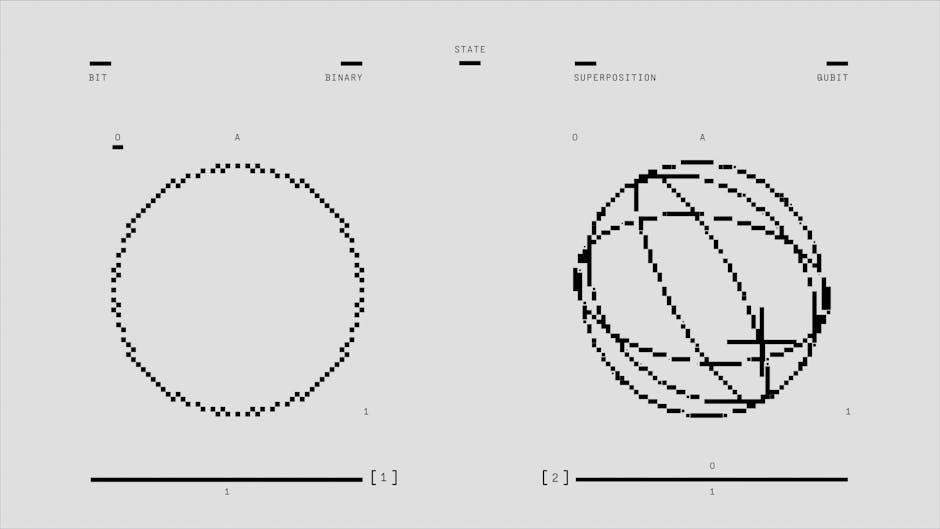
Quantum computing is an emerging field that harnesses the principles of quantum mechanics to develop powerful new types of computers. Unlike classical computers that use bits as the smallest unit of data, quantum computers use quantum bits or qubits. These qubits can exist in multiple states simultaneously, thanks to a property called superposition, enabling quantum computers to process complex computations more efficiently.
The Role of Entanglement
One of the most intriguing features of quantum mechanics used in entanglement is the ability of particles to become interconnected such that the state of one instantly influences the state of another, regardless of the distance between them. This property is fundamental to many quantum algorithms and secure communication protocols.
Applications and Future of Quantum Computing
The potential applications of quantum computing span fields like cryptography, drug discovery, optimization problems, and artificial intelligence. While still in nascent stages, ongoing research aims to build more reliable and scalable quantum systems, moving us closer to a new era of technological innovation.
For more details on how quantum mechanics differs from classical physics, visit our classical vs quantum physics overview.