
Quantum Physics for Beginners: A Simple Introduction
Quantum physics is a fascinating branch of science that explores the behavior of particles at the smallest scales. For those new to the subject, it might seem complex, but understanding its core concepts can be both rewarding and enlightening.
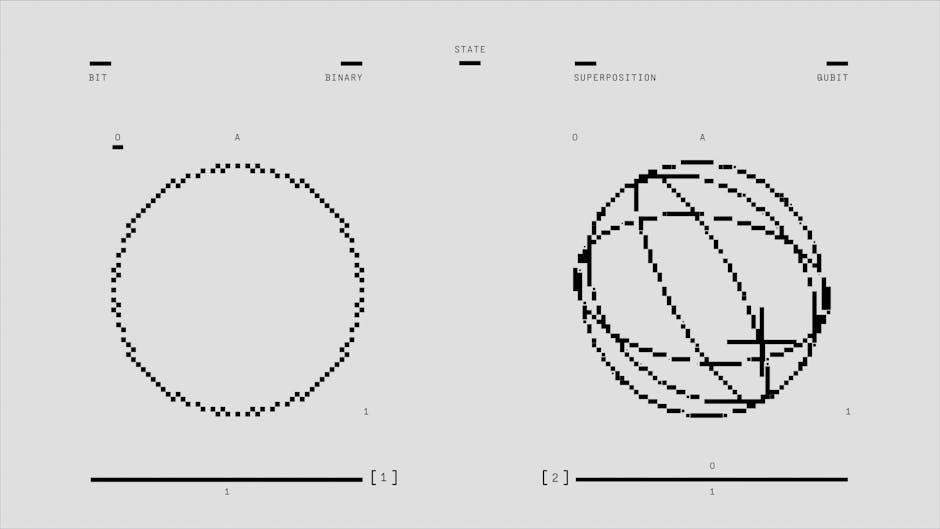
One of the fundamental principles of what is quantum physics is that particles can exist in multiple states simultaneously, a phenomenon known as superposition. This allows particles to be in more than one place at the same time until measured.
Another important concept is quantum entanglement, where two particles become linked such that the state of one instantly influences the state of the other, regardless of distance. This phenomenon has puzzled scientists since it was first observed and is at the heart of emerging technologies like quantum computing.
Experiments such as the Double-Slit Experiment have demonstrated wave-particle duality, showing that particles can behave both as particles and waves depending on how they are observed. Understanding these experiments helps in grasping the strange yet fundamental nature of quantum mechanics.
If you're interested in learning more, check out our comprehensive overview of key experiments in quantum physics or explore how these principles are used in modern applications.
Starting with these basics, you can delve deeper into the mysteries of quantum physics and appreciate how it continues to revolutionize our understanding of the universe.