
Understanding Quantum Physics and the Power of Superposition
Quantum physics is a branch of science that deals with the behavior of matter and energy at the smallest scales, such as atoms and subatomic particles. One of the most intriguing aspects of quantum physics is the phenomenon known as superposition.
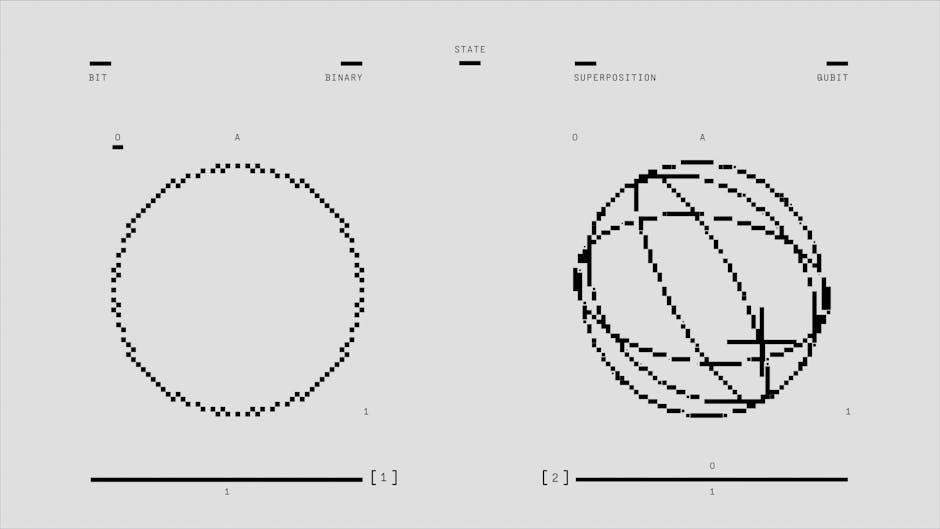
Superposition allows particles to exist in multiple states simultaneously until measured or observed. This principle challenges classical notions of certainty and determinism, opening up new possibilities for quantum computing and secure communication systems.
What is Superposition?
In simple terms, superposition refers to a particle being in a combination of states at once. Imagine a coin that is both heads and tails at the same time until you look at it. This is similar to how particles behave in the quantum world, where they can be in multiple positions, energies, or states simultaneously.
Implications of Superposition
The concept of superposition is fundamental to the operation of quantum computers. These devices utilize superposition to perform complex calculations much faster than traditional computers. Moreover, superposition underpins phenomena like entanglement, leading to groundbreaking developments in quantum communication.