
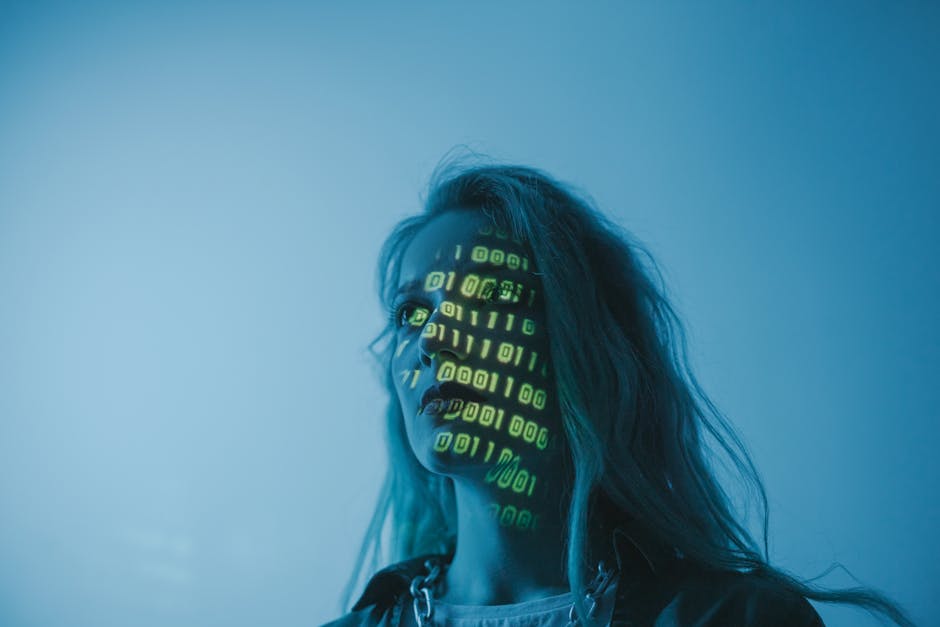
Quantum Vaults and Unbreakable Encryption: The Future of Secure Data
Understanding Quantum Vaults
Quantum vaults are innovative storage solutions that utilize principles of quantum mechanics to store and protect sensitive data. Unlike traditional vaults, which rely on physical security measures, quantum vaults leverage phenomena such as superposition and entanglement to enhance security and prevent unauthorized access. This cutting-edge technology is paving the way for a new era of data protection, especially as quantum computers threaten to compromise classical encryption methods.
The Role of Unbreakable Encryption
Unbreakable encryption, often achieved through quantum cryptography, ensures that data remains confidential and tamper-proof. Techniques like Quantum Key Distribution (QKD) enable two parties to share encryption keys with security guaranteed by the laws of physics. As quantum encryption methods evolve, they are becoming essential for protecting communications against future threats posed by powerful quantum computers.
How Quantum Vaults Enhance Data Security
Combining quantum computing and unbreakable encryption, quantum vaults offer a highly secure environment for storing critical information. They are designed to detect any eavesdropping or tampering attempts, ensuring data integrity and confidentiality. Organizations handling sensitive data, such as governments and financial institutions, are increasingly investing in quantum vault technology to future-proof their security infrastructure.
The Road Ahead
The development of quantum vaults and unbreakable encryption is still in its early stages, but the potential implications are vast. With ongoing research and advancements, we can expect more robust and practical solutions that will safeguard data against the threats of the quantum era. Staying informed about these technologies is crucial for anyone interested in quantum computing and cybersecurity.