
Harnessing Sustainable Energy in Remote Communities
Introduction
Remote communities often face unique challenges when it comes to accessing reliable and affordable energy. Traditional sources such as diesel generators can be costly and environmentally damaging. However, advancements in sustainable energy technologies are transforming these areas, providing cleaner and more sustainable power options.
The Importance of Sustainable Energy in Remote Areas
Implementing renewable energy sources such as solar, wind, and hydroelectric power helps reduce dependency on imported fuels, lowers operational costs, and minimizes environmental impact. These solutions can also enhance energy security and support economic development within remote communities.
Successful Projects and Initiatives
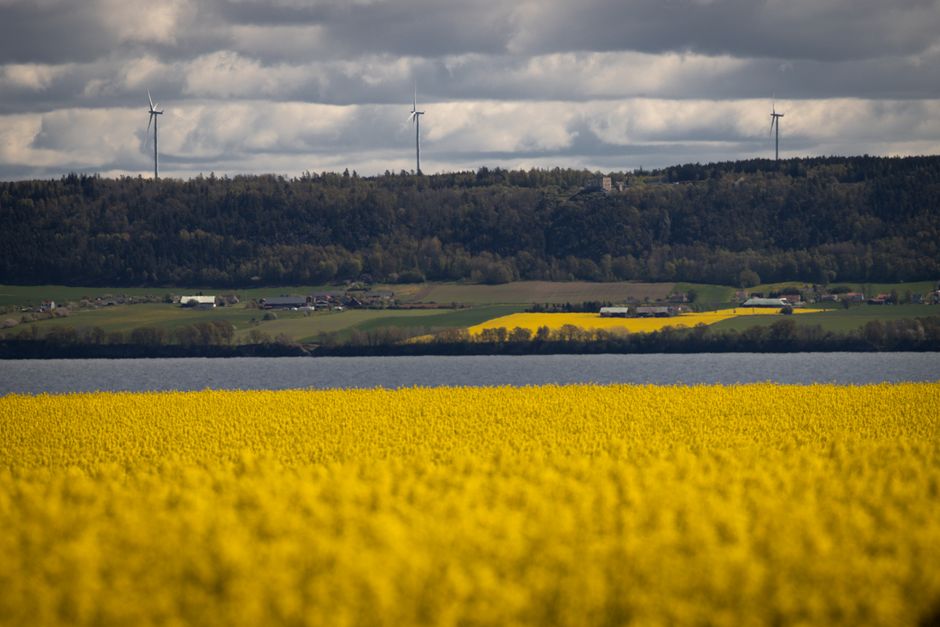
Many remote regions are benefiting from innovative projects that harness local resources. For example, solar microgrids are providing reliable electricity to off-grid villages, while wind turbines are powering community centers and schools. These projects often involve partnerships between governments, NGOs, and local residents, ensuring sustainable and culturally appropriate solutions.
Benefits of Sustainable Energy Adoption
- Reduces greenhouse gas emissions
- Decreases energy costs in the long term
- Creates local jobs and economic opportunities
- Improves health and living standards
Challenges and Future Outlook
While the benefits are clear, challenges such as initial investment costs, technical maintenance, and infrastructure development remain. Continued innovation and international support are vital to expanding sustainable energy access in remote communities, ensuring a resilient and eco-friendly future for all.