
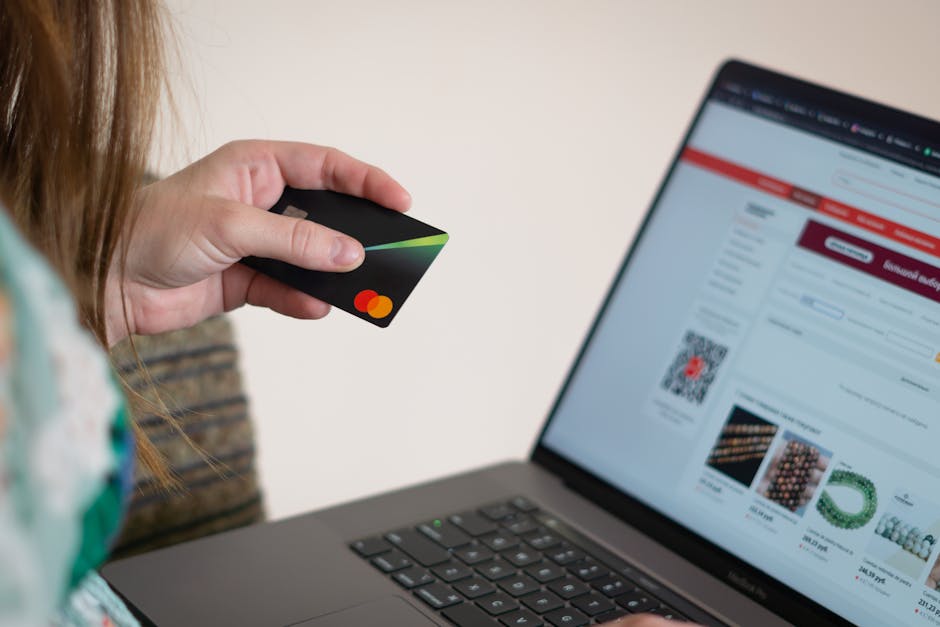
Remote Work Security Best Practices with Multi-Factor Authentication
Ensuring Security in Remote Work Environments
As remote work continues to expand globally, organizations face new cybersecurity challenges. Implementing effective remote work security best practices is crucial to safeguard sensitive data and maintain productivity.
Understanding the Importance of Multi-Factor Authentication
One of the most vital security measures is multi-factor authentication (MFA). MFA adds an additional layer of security by requiring users to verify their identity through multiple methods, such as a password and a mobile verification code. This reduces the risk of unauthorized access due to stolen credentials.
Additional Best Practices for Secure Remote Work
- Use strong, unique passwords for all accounts
- Regularly update software and systems
- Utilize VPNs for secure connections
- Educate employees about phishing and social engineering attacks
- Implement device management policies and remote wipe capabilities
By adopting these security best practices, organizations can create a safer remote working environment. Incorporating multi-factor authentication is especially effective in mitigating potential security breaches.
Conclusion
Secure remote work is achievable by following comprehensive security best practices and emphasizing critical security measures like multi-factor authentication. Protect your organization today by strengthening your remote work security strategies.