
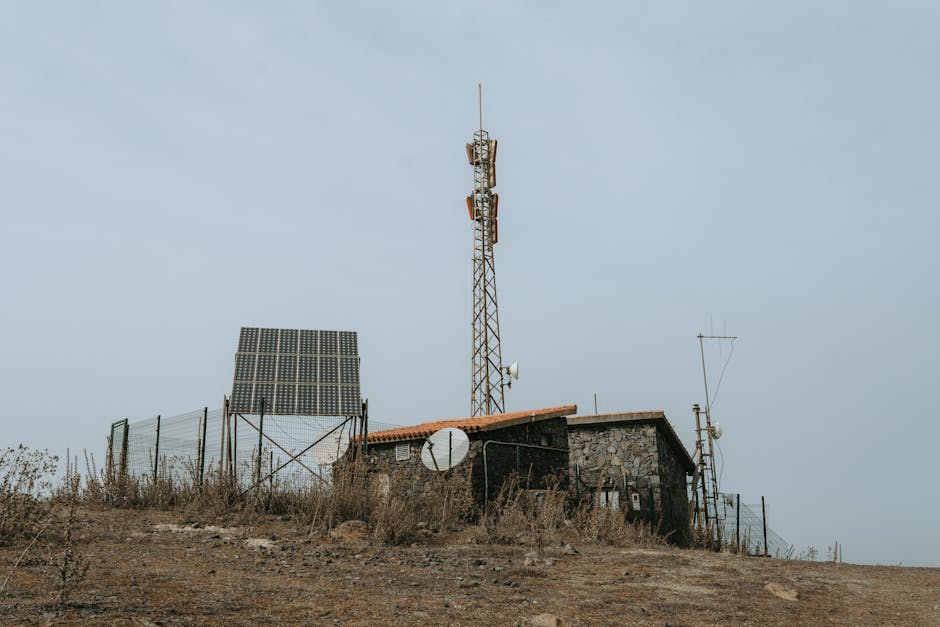
Innovative Renewable Energy Solutions for Remote Sites
Introduction to Renewable Energy for Remote Sites
Access to reliable power in remote locations can be challenging. However, advances in renewable energy solutions for remote sites are making it increasingly feasible to establish sustainable power systems outside traditional grids.
Types of Renewable Energy Sources
Several renewable energy sources are suitable for remote sites, including solar power, wind energy, and micro-hydropower. Each option offers unique advantages depending on the geographic and environmental conditions of the location.
Solar Power
Solar energy systems are highly adaptable and can be deployed across a wide range of remote areas. Solar power systems are most effective in regions with abundant sunlight, providing a clean and cost-effective energy source.
Wind Energy
Wind turbines harness aerodynamic forces to generate electricity, making them suitable for windy remote regions. Wind energy can complement other sources for a more reliable power supply.
Micro-Hydropower
In areas with access to flowing water, micro-hydropower offers a consistent and efficient energy option. It is especially useful in mountainous or river-rich regions.
Benefits of Implementing Renewable Solutions
- Sustainable and environmentally friendly
- Reduces reliance on fossil fuels
- Cost-effective in the long term
- Provides energy independence
Challenges and Considerations
While renewable energy solutions have many benefits, implementing them in remote sites involves logistical challenges such as transportation, maintenance, and initial setup costs. Careful site assessment and planning are essential.
Conclusion
Utilizing renewable energy for remote sites leads to sustainable development and improved quality of life in isolated areas. As technology advances, these solutions will become more accessible and efficient, paving the way for greener energy solutions worldwide.