
Exploring Renewable Energy Sources: An In-Depth Overview
Understanding Renewable Energy Sources
In recent years, the importance of renewable energy sources has become more evident as the world seeks sustainable solutions to meet its growing energy demand. Unlike traditional fossil fuels, renewable energies are abundant and have a much lower impact on the environment.
Solar Energy
One of the most popular forms of renewable energy is solar energy. It harnesses sunlight using photovoltaic panels to generate electricity. Solar power is highly versatile and can be used in residential, commercial, and industrial settings.
Wind Power
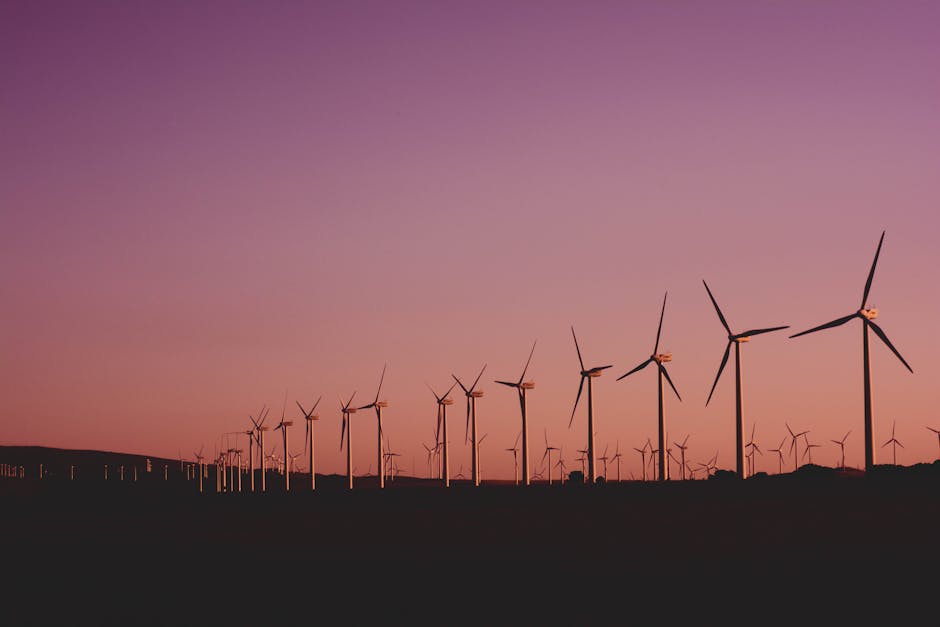
Wind power involves converting wind kinetic energy into electricity using turbines. It's especially effective in open areas and offshore locations, providing a clean and renewable energy source for large-scale power generation.
Hydropower
Hydropower, or water energy, utilizes the flow of water to generate electricity. This includes dam-based systems and run-of-river setups. It's one of the oldest and most well-established renewable energy sources, contributing significantly to the global energy mix.
Geothermal Energy
Geothermal energy taps into the Earth's internal heat to produce power. This energy is stable and reliable, often used in geothermal power plants located in volcanic regions.
Biomass Energy
Biomass involves converting organic materials such as wood, crop waste, and other biological matter into electricity or fuel. It offers an alternative to fossil fuels and can help manage waste effectively.
The Future of Renewable Energy
Investing in future trends in renewable energy is crucial for a sustainable society. Advancements in technology and policy support are making these energy sources more affordable and efficient, paving the way for a cleaner future.