
Restoration and Preservation Techniques: Ensuring Heritage Lasts
Understanding Restoration and Preservation
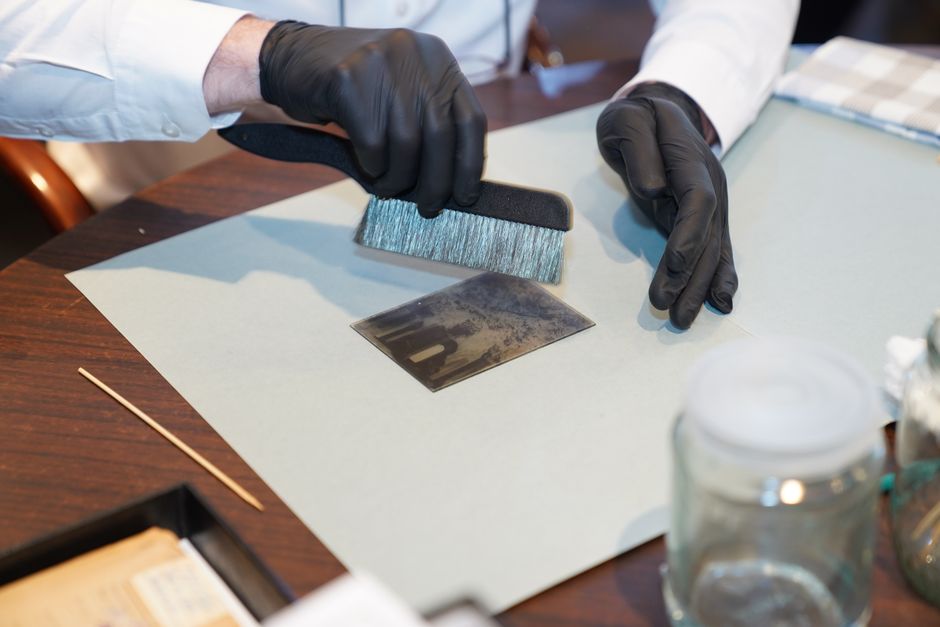
Restoration and preservation are essential practices in maintaining the integrity and longevity of cultural heritage. Restoration techniques involve repairing and restoring artifacts or structures to their original state, while preservation methods focus on preventing deterioration over time.
Common Restoration Techniques
Restoration techniques include cleaning, repairing, and sometimes replacing damaged parts. For example, in art restoration, conservators carefully remove dirt and old varnish to reveal the artwork's original colors. Structural repairs in historic buildings often involve reinforcement and material matching to ensure historical accuracy.
Effective Preservation Strategies
Preservation involves environmental controls like humidity and temperature regulation to prevent deterioration. Implementing proper museum preservation practices ensures artifacts are stored in optimal conditions. Additionally, digital preservation methods, such as high-resolution imaging and 3D modeling, help document and protect heritage items.
Choosing the Right Techniques
Selecting suitable restoration and preservation techniques depends on the material, condition, and historical significance of the item or site. Consulting with specialists in conservation ensures that methods employed are effective and respectful of the object's integrity.
Importance of Preservation in Cultural Heritage
Protecting cultural heritage through these techniques allows future generations to experience history firsthand. Whether it’s a classic painting, an ancient building, or a historical document, proper restoration and preservation ensure these treasures remain intact and accessible.
To learn more about specific techniques, visit our comprehensive guide on restoration and preservation techniques.