
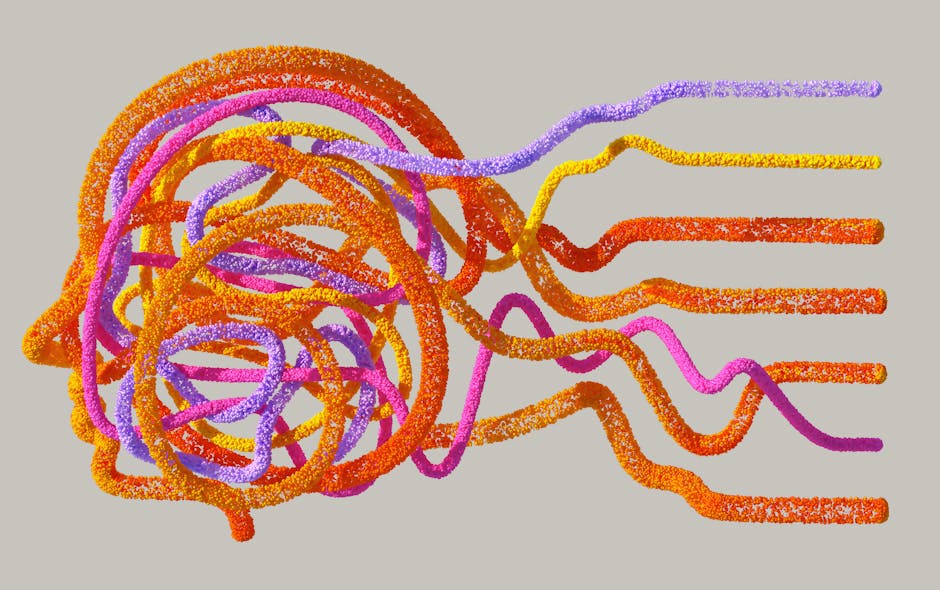
Revolutionary Breakthroughs in Neuroscience and Neurotechnology: Shaping the Future of Brain Science
Introduction
The field of neuroscience has seen remarkable progress over the past decade, driven by the rapid advancement of neurotechnology. These breakthroughs are not only deepening our understanding of the human brain but are also opening new pathways for treating neurological disorders.
The Rise of Brain-Computer Interfaces
One of the most exciting developments in recent times is the advent of brain-computer interfaces (BCIs). These devices enable direct communication between the brain and external devices, offering new hope for individuals with paralysis or limb loss. Companies and research institutions worldwide are racing to improve the precision and affordability of BCIs.
Advanced Imaging Techniques
Innovations in brain imaging, such as functional magnetic resonance imaging (fMRI) and PET scans, have revolutionized neuroscience research. These tools allow scientists to observe brain activity in real-time, leading to breakthroughs in understanding cognitive processes and psychiatric conditions.
Impacts on Medicine and Therapy
Revolutionary advancements in neurological treatments include deep brain stimulation and neuroplasticity-based therapies. These innovations are transforming how we approach conditions like Parkinson's disease, depression, and epilepsy, making treatments more targeted and effective.
The Future of Brain Science
As research continues to evolve, the integration of artificial intelligence with neurotechnology promises even more revolutionary breakthroughs. Future developments may include enhanced neuroprosthetics and personalized brain health monitoring, fundamentally changing our interaction with technology and ourselves.
Conclusion
The rapid progress in neuroscience and neurotechnology is reshaping our understanding of the brain and opening new horizons for scientific discovery and medical innovation. Staying informed about these advances is crucial as they promise to improve lives and create a future where neurological health is better understood and managed.