
The Importance of Robotics in Education: Transforming Classrooms with Robotic Tools
In recent years, the integration of robotic tools in classrooms has become increasingly important in shaping the future of education. These innovative technologies are transforming traditional teaching methods and offering new avenues for student engagement and learning.
Implementing the importance of robotics in education extends beyond simply introducing new gadgets; it helps develop critical skills such as problem-solving, creativity, and collaboration among students. As schools adopt more robotic tools in education, learners are better prepared for a workforce that is rapidly becoming more technologically advanced.
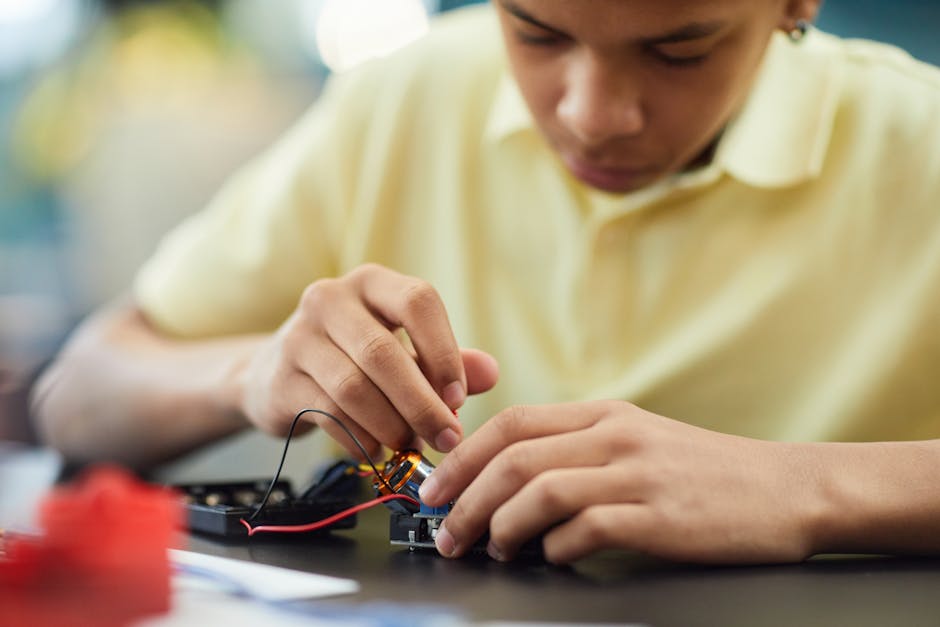
Robotics in the classroom can also make learning more interactive and fun. For example, students can build and program robots to perform specific tasks, fostering active participation and hands-on experience. This approach has shown to increase motivation and understanding of complex concepts in subjects like science, technology, engineering, and mathematics (STEM education).
Many educators emphasize that incorporating robotic tools in education allows for personalized learning experiences, catering to diverse student needs and learning paces. Additionally, the skills students develop through working with robots, such as coding and mechanical design, are highly valuable in today's digital economy.
As the role of robotics in education continues to grow, it is essential for educators and policymakers to recognize its benefits and invest in the necessary infrastructure and teacher training. Embracing this technological shift can ultimately lead to a more engaging, inclusive, and forward-thinking educational environment.