
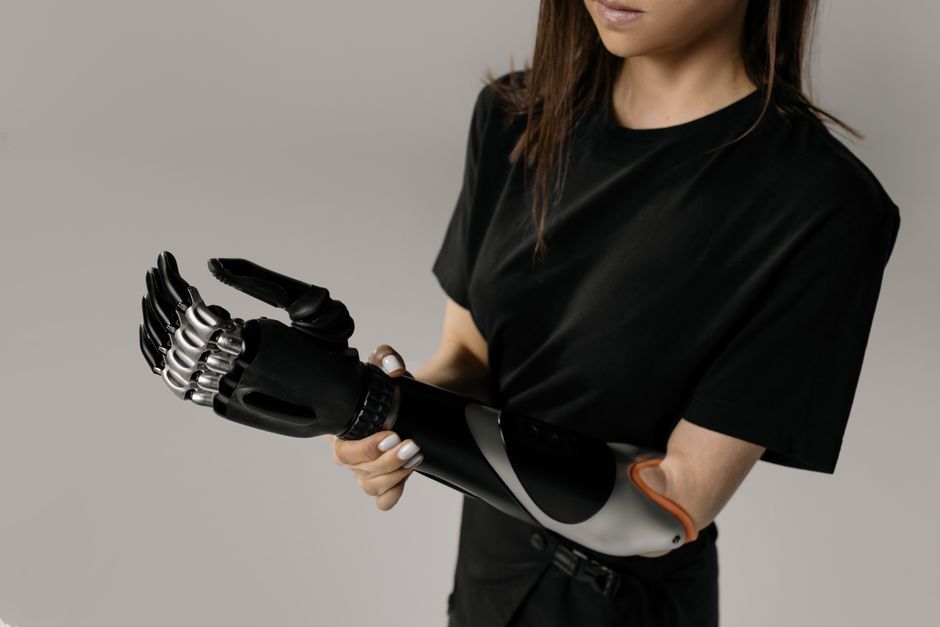
Robots in Healthcare: Transforming Patient Care and Medical Procedures
Robots in healthcare are increasingly becoming integral to modern medical practices, dramatically enhancing the quality of patient care and operational efficiency. These advanced machines are performing tasks ranging from complex surgeries to routine patient assistance, redefining the boundaries of medical excellence.
The Role of Surgical Robots
One of the most prominent applications of robots in healthcare is in the realm of surgical robotics. These robots provide precision beyond human capabilities, allowing for minimally invasive procedures that result in less pain, reduced scarring, and quicker recovery times for patients. Surgeons control robotic instruments with high accuracy, enabling complex procedures like cardiac and neurological surgeries to be performed more safely.
Robots Supporting Patient Care
Beyond the operating room, robots are also being used to support patient care through assistive robots. They can help with tasks such as delivering medications, guiding patients through hospitals, and providing companionship to those in long-term care facilities. This not only improves the patient experience but also alleviates the workload of healthcare staff.
Benefits of Robots in Healthcare
- Improved precision and outcomes in surgeries
- Enhanced safety for both patients and medical staff
- Round-the-clock support in patient management
- Reduced healthcare costs over time
Challenges and Future Outlook
Despite their advantages, integrating robots into healthcare systems poses challenges such as high costs, the need for specialized training, and addressing ethical concerns related to automation. However, ongoing advancements in AI and robotics are expected to make healthcare robots more accessible and intelligent, paving the way for broader adoption in the future.
As technology continues to evolve, the role of robots in healthcare will become increasingly vital, offering innovative solutions that improve patient outcomes and streamline medical procedures. Embracing these advancements is key to shaping the future of medicine.