
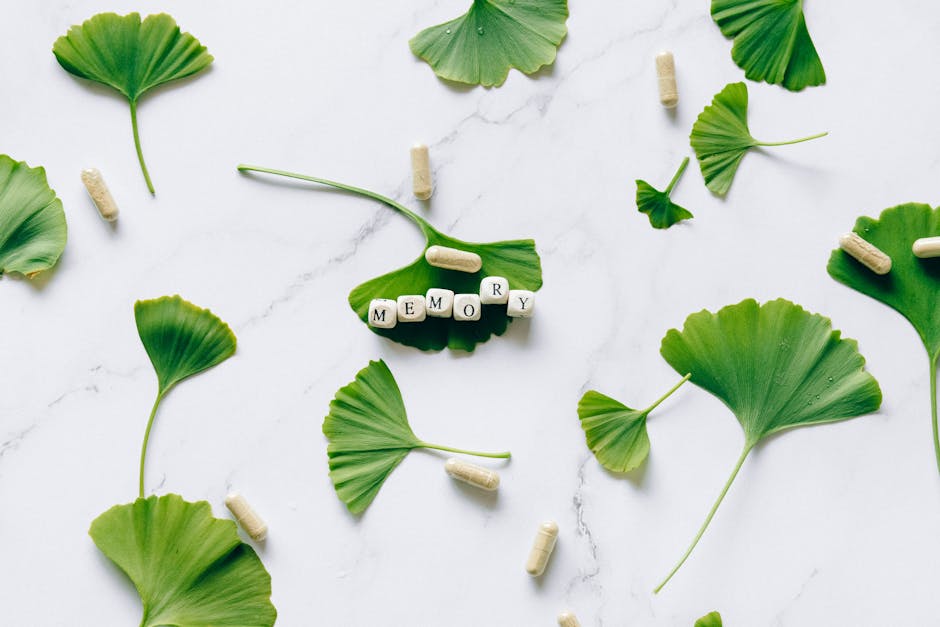
Enhancing Memory Through Scent-Based Techniques
Understanding Scent-Based Memory Boosters
Memory enhancement techniques have evolved over time, with scent-based methods gaining popularity for their effectiveness. Our sense of smell is closely linked to the limbic system, which plays a key role in memory and emotional responses.
The Science Behind Scents and Memory
Research suggests that certain scents can trigger memories more vividly than other senses. This phenomenon, known as the Proust effect, illustrates how a particular aroma can bring back detailed recollections from the past.
Practical Techniques to Use Scents for Memory Enhancement
- Using Essential Oils: Diffusing oils like rosemary, peppermint, or lemon during study sessions can help improve retention.
- Scent Associations: Creating associations between specific scents and information can reinforce memory, making recall easier later.
- Consistent Scent Usage: Repeating the same scent during learning and recall phases strengthens the connection.
Benefits of Incorporating Scents into Your Routine
Implementing scent-based memory boosters can lead to improved cognitive performance, reduced stress, and enhanced focus. Whether for students or professionals, integrating scents can be a simple yet powerful tool.
Getting Started with Scent-Based Memory Strategies
Begin by selecting a scent that resonates with you. Use it consistently during study or work sessions, and notice how your ability to recall information improves over time.
Conclusion
Incorporating scent-based techniques into your daily routine can be an effective way to boost memory naturally. Explore different scents and methods to find what works best for you.