
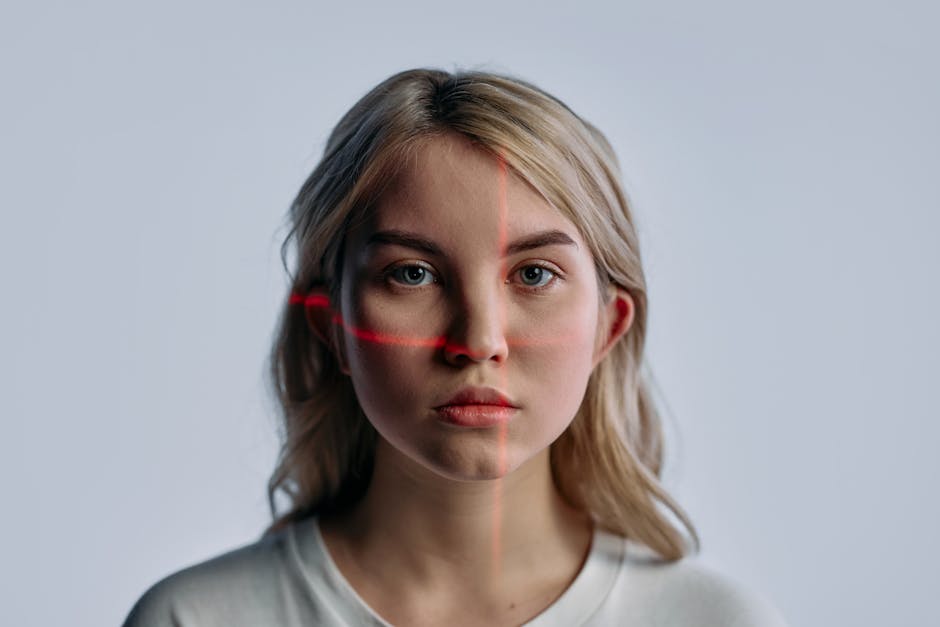
Unveiling the Shadowy Uses of Biometric Technology
Biometric technology has rapidly advanced over the past decade, revolutionizing the way we authenticate our identities. From fingerprint scanners on smartphones to facial recognition in airports, these innovations bring convenience and security. However, beneath the surface, there are shadowy uses of biometric tech that raise serious privacy and ethical concerns.
One of the most controversial areas involves surveillance applications, where governments and corporations may track individuals without their consent. Facial recognition systems can be used to identify protesters, suppress dissent, or monitor populations in real-time, often without transparency or accountability. This use of biometric data for mass surveillance surpasses traditional security measures and raises alarms about personal privacy rights.
In addition to governmental use, some corporate entities might exploit biometric data for targeted advertising or behavioral analysis, often collecting information without explicit user consent. The risks associated with biometric data breaches are also significant, as biometric identifiers, unlike passwords, cannot be changed once compromised.
As biometric technology continues to evolve, it’s important for consumers and policymakers to stay informed about these shadowy uses and advocate for stricter privacy protections. Ethical use and transparent policies are essential to prevent abuse and safeguard individual rights in an increasingly digital world.