
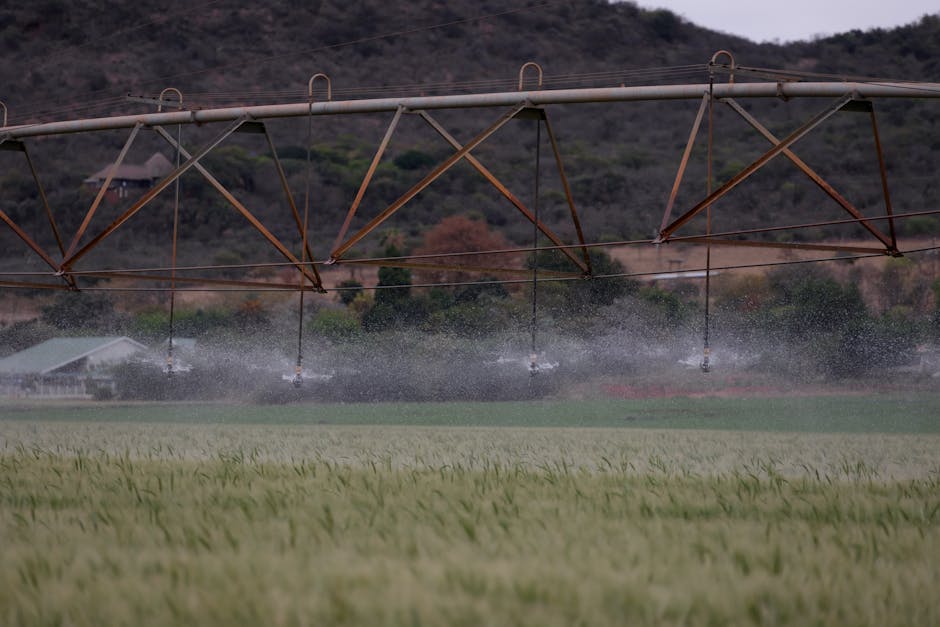
Smart Irrigation Systems for Sustainable Agriculture
Introduction to Smart Irrigation Systems
As the demand for sustainable agriculture grows, farmers and researchers are turning to innovative solutions such as smart irrigation systems to improve water efficiency and crop productivity. These systems leverage advanced technology, including sensors and automation, to deliver precise watering tailored to the needs of each crop.
Benefits of Smart Irrigation in Sustainable Agriculture
Implementing smart irrigation systems offers numerous advantages, including significant water conservation, reduced labor costs, and increased crop yields. By applying water only when necessary, farmers can minimize waste and contribute to sustainable agriculture practices.
How Smart Irrigation Works
Smart irrigation systems use a combination of soil moisture sensors, weather data, and remote control technology to automate watering schedules. This ensures that crops receive optimal moisture levels regardless of weather variations, making farming more resilient and eco-friendly.
Integrating Smart Irrigation into Sustainable Farming
Adopting smart irrigation systems is a step toward environmentally responsible agriculture. These systems not only conserve water but can also be integrated with other sustainable practices like integrated pest management and organic farming for a holistic approach to sustainability.
Future of Smart Irrigation in Agriculture
With advancements in IoT and AI, the future of smart irrigation promises even greater efficiency and scalability. Embracing these technologies will be crucial for ensuring food security while protecting natural resources.