
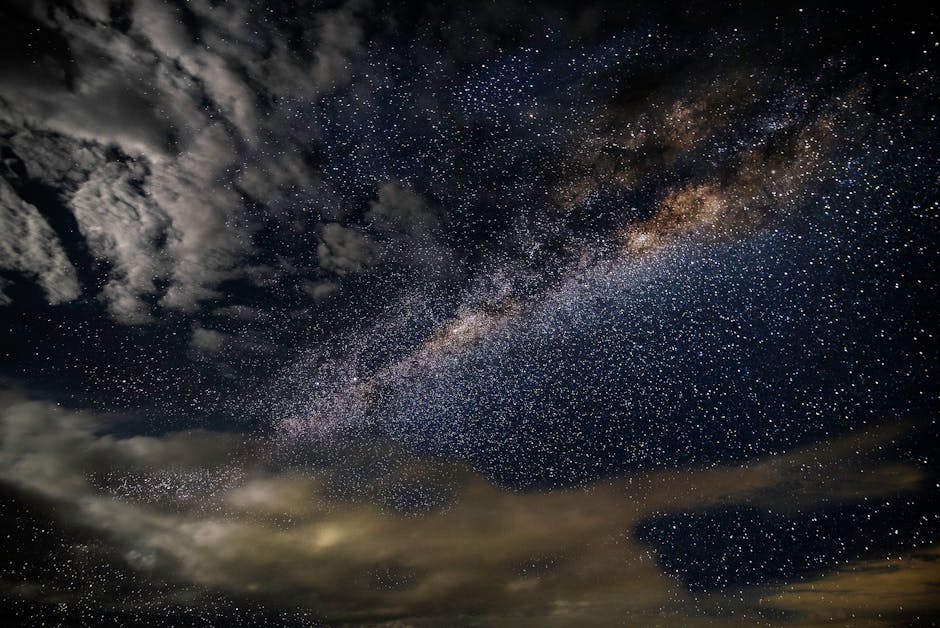
Exploring the Final Frontier: Space Exploration and Astrobiology
Introduction to Space Exploration
Space exploration has captivated human curiosity for centuries. From early telescopic observations to modern spacecraft missions, humanity continues to push the boundaries of space exploration in search of new worlds and knowledge.
The Rise of Astrobiology
Astrobiology is a multidisciplinary field dedicated to studying the potential for life beyond Earth. This exciting science combines biochemistry, planetary science, and astronomy to understand where extraterrestrial life might exist and how it could survive under different conditions.
Mission to Explore the Solar System
Recent missions, such as Mars rover missions and probes sent to the icy moons of Jupiter and Saturn, aim to find signs of past or present life. These missions are vital to our quest to answer the question: Are we alone in the universe?
The Search for Extraterrestrial Life
Scientists utilize powerful telescopes and space observatories to detect exoplanets in habitable zones. Discovering planets with conditions similar to Earth increases the chances of finding extraterrestrial life and understanding the potential diversity of life in the universe.
The Future of Space and Astrobiology
As technology advances, the future holds promising missions to explore exoplanets, study water on distant worlds, and develop human spaceflight capabilities beyond low Earth orbit. These efforts are crucial for expanding our understanding of life and our place in the cosmos.