
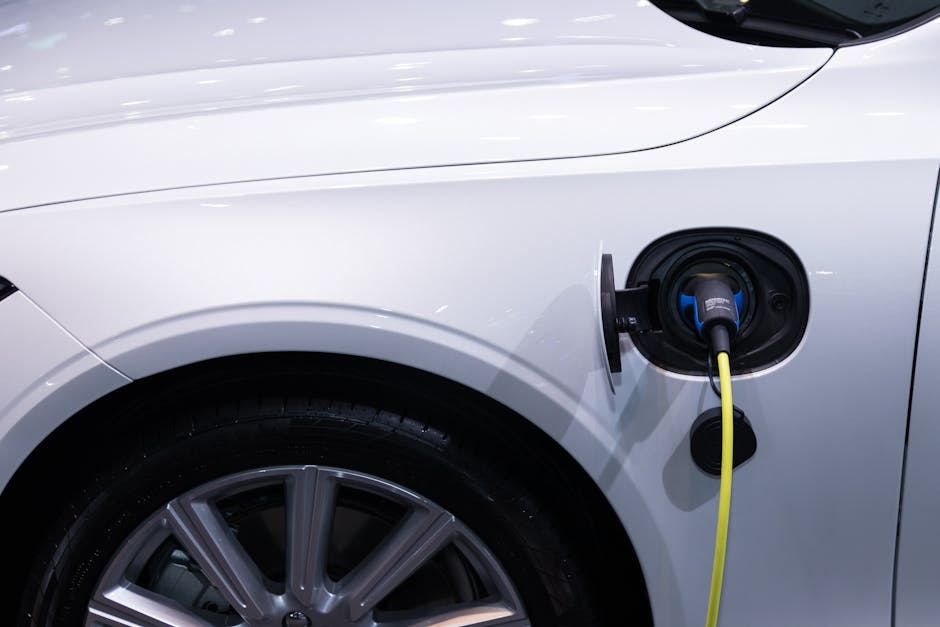
Understanding Standard Charging Stations: A Complete Guide
Introduction to Standard Charging Stations
As electric vehicles (EVs) become increasingly popular, understanding the different charging options is essential. Standard charging stations play a crucial role in providing convenient and accessible charging solutions for EV owners.
What Are Standard Charging Stations?
Standard charging stations typically refer to Level 2 chargers, which deliver 240 volts of power and are widely used in residential, commercial, and public settings. They are known for their balanced charging speed and ease of use, making them ideal for daily charging needs.
Benefits of Using Standard Charging Stations
- Convenience: Easily installed at parking lots, workplaces, and homes.
- Cost-effective: Generally cheaper than fast chargers with moderate charging times.
- Compatibility: Supports most EV models with standard connectors like SAE J1772.
Types of Standard Charging Stations
There are various types designed to meet different needs:
- Residential standard chargers: Installed in homes for daily use.
- Public charging stations: Found along highways, malls, and parking lots.
Supporting EV Infrastructure
Standard charging stations are fundamental for expanding the electric vehicle infrastructure. They enable easier access to charging, reduce range anxiety, and support the transition to sustainable transportation.
Conclusion
If you're considering switching to an electric vehicle or optimizing your charging setup, understanding standard charging stations is essential. They strike a perfect balance between speed, affordability, and convenience.