
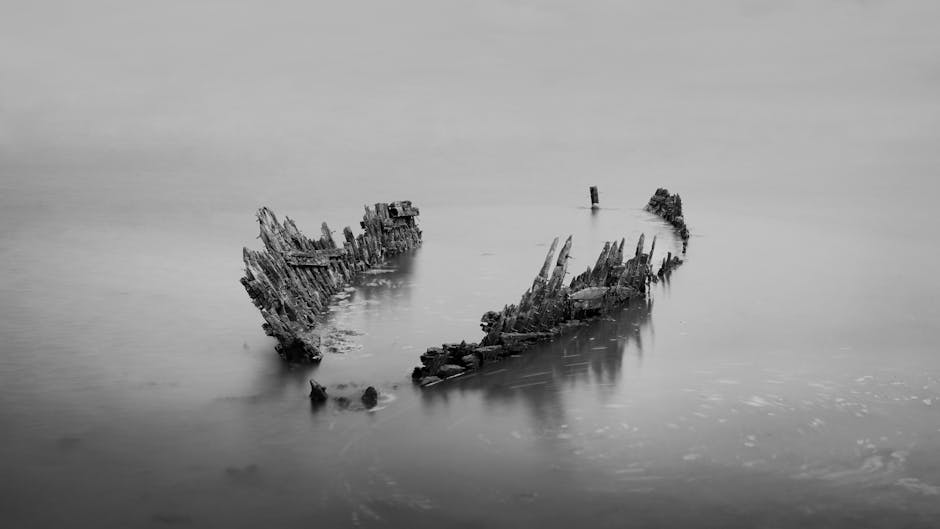
Unveiling Sunken Civilizations and Ancient Urban Planning Discoveries
Discovering Sunken Civilizations
Sunken civilizations have long captivated historians and archaeologists alike. These underwater ruins provide invaluable insights into ancient societies that once thrived along coastlines and riverbanks. Notable examples include the submerged city of Atlantis theories and the ruins of Pavlopetri in Greece.
The Art of Ancient Urban Planning
Ancient urban planning showcases the ingenuity of early civilizations in organizing their urban spaces. From the grid-like design of Mesopotamian cities to the sophisticated drainage systems of the Indus Valley, these planning strategies reveal a deep understanding of resource management and societal needs.
Interconnection of Discoveries
Studying sunken civilizations often sheds light on urban planning practices and vice versa. These discoveries help piece together the story of how ancient cities were built, inhabited, and sometimes mysteriously disappeared beneath the waves.
Latest Archaeological Findings
Recent advancements in underwater exploration technology continue to uncover extraordinary remains of marine archaeology. These findings not only uncover lost sites but also challenge our understanding of ancient civilizations and their urban development strategies.
Conclusion
The study of sunken civilizations and ancient urban planning remains a captivating field that bridges history, archaeology, and modern engineering. By exploring these underwater remnants, we gain a better appreciation of human resilience and innovative spirit throughout history.