
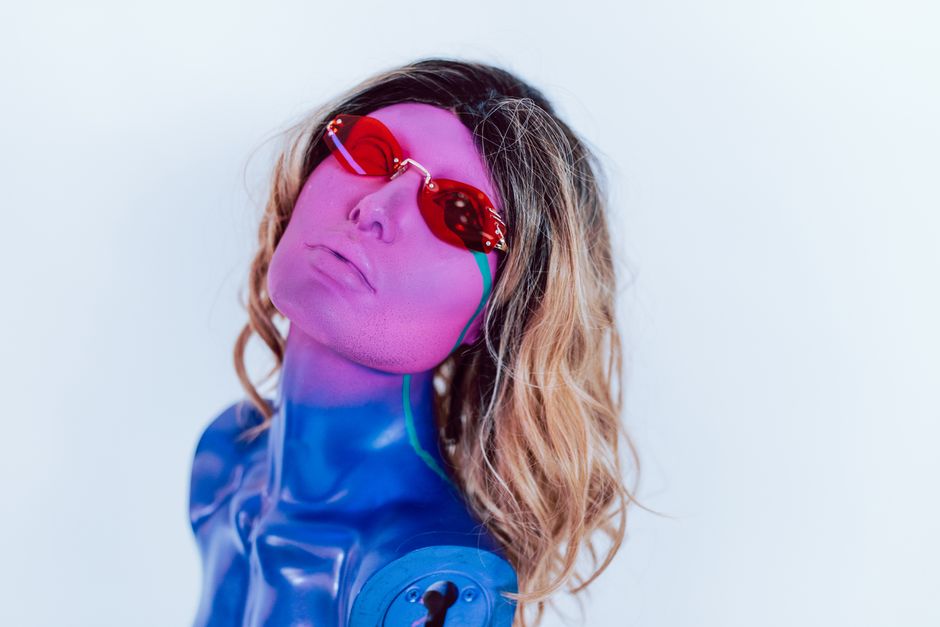
Exploring Surrealism and Its Deep Dive into the Subconscious Mind
Surrealism is a fascinating art movement that emerged in the early 20th century, challenging conventional notions of reality and encouraging artists to explore the depths of the subconscious mind. Originating in the aftermath of World War I, surrealism sought to unlock the unconscious and reveal hidden truths through dream-like imagery and symbols.
History of Surrealism
The movement was officially founded in 1924 by André Breton, who published the first surrealist manifesto. Drawing inspirations from Dadaism and psychoanalytic theories by Sigmund Freud, surrealists aimed to reconcile the conscious and unconscious mind. Artists like Salvador Dalí, Max Ernst, and René Magritte became iconic figures, creating artwork that defied logical explanation and embraced dream interpretation.
This movement not only influenced visual arts but also impacted literature, film, and philosophy, inspiring new ways to understand human perception and psychoanalysis.
Exploration of the Subconscious Mind
At its core, surrealism is about tapping into the subconscious to express truths that are hidden from rational thought. Artists often employed techniques like automatic drawing, free association, and dream analysis to access deeper layers of the mind. These works evoke a sense of mystery and invite viewers to interpret meaning beyond surface appearances.
Understanding surrealism gives us insight into how the mind works and how creative expression can serve as a gateway to our inner worlds. Whether through painting, literature, or film, surrealism continues to influence contemporary art and ideas about human perception.