
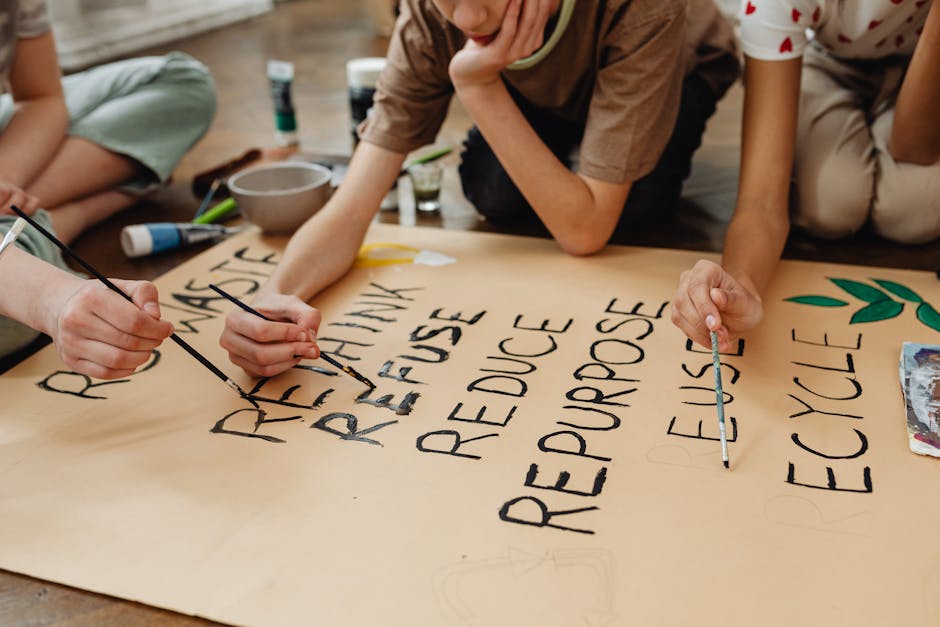
Sustainable Practices in Education and Environmental Projects
In recent years, the emphasis on sustainable practices in education has grown significantly. Schools and institutions are increasingly adopting methods that promote environmental awareness and responsible resource management. Incorporating sustainability into curricula not only educates students about environmental issues but also cultivates a sense of responsibility that extends beyond the classroom.
One of the most effective ways to promote environmental consciousness is through environmental projects. These initiatives give students hands-on experience in tackling real-world challenges like waste reduction, renewable energy adoption, and conservation efforts. By engaging in community involvement, students learn the importance of collective action in creating sustainable solutions.
Integrating sustainability into educational practices ensures that future generations are equipped with the knowledge and skills necessary to address environmental issues. Innovative teaching methods and project-based learning are central to fostering an environmentally responsible mindset among students.
Furthermore, successful environmental projects often leverage new technologies and sustainable materials. These projects demonstrate that combining technology and sustainability leads to more effective and scalable solutions for environmental challenges.
Ultimately, the pursuit of sustainable educational practices and environmental projects is essential for building a resilient and sustainable future. Educators, students, and communities must work together to foster a culture of sustainability that can positively impact our planet for generations to come.