
Sustainable Architecture Trends and Green Materials
Embracing Sustainable Architecture Trends for a Greener Future
In recent years, the field of architecture has seen a significant shift towards sustainable practices. Architects and builders are increasingly prioritizing energy efficiency, eco-friendly materials, and innovative design approaches that minimize environmental impact. Sustainable architecture trends are shaping the way we build, ensuring that our urban landscapes are resilient and environmentally responsible.
Innovative Use of Green Materials
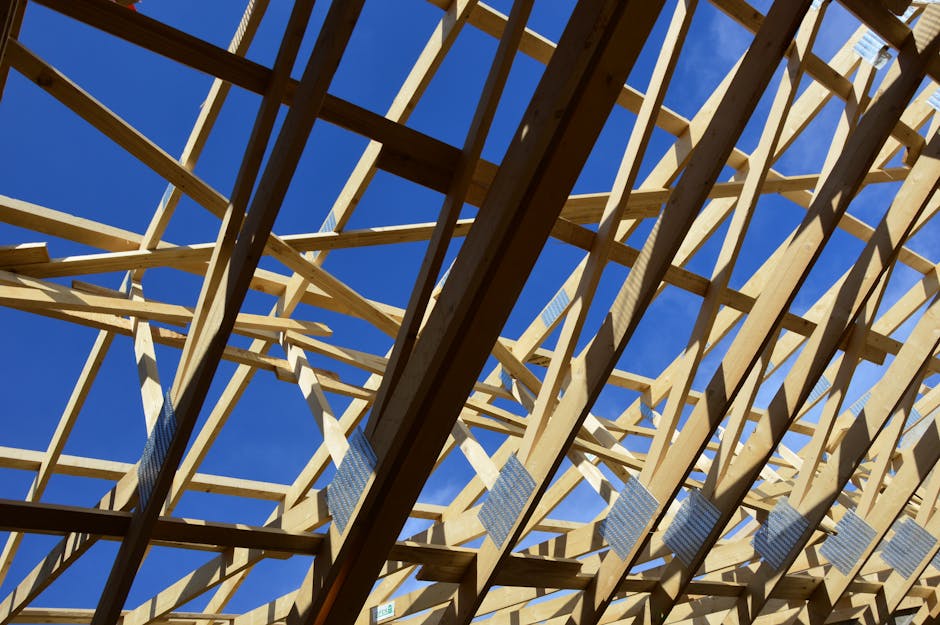
One of the key components of sustainable design is the use of green materials. These materials, such as recycled steel, bamboo, hempcrete, and reclaimed wood, are selected for their low environmental footprint and durability. By incorporating eco-friendly building materials, architects can reduce waste and decrease the carbon footprint of construction projects.
Benefits of Sustainable Architecture
Adopting sustainable architecture practices not only benefits the environment but also results in long-term economic savings. Green buildings tend to have lower energy and water costs, improved indoor air quality, and enhanced occupant well-being. As technology advances, sustainable design continues to evolve, integrating smarter systems and renewable energy sources seamlessly.
Looking Ahead
As awareness about climate change grows, the role of sustainable architecture becomes more critical. Emerging trends such as passive design, green roofs, and biophilic design are transforming how we think about buildings. To stay updated, explore our insights on latest sustainable architecture trends and how innovative green materials are reshaping the built environment.