
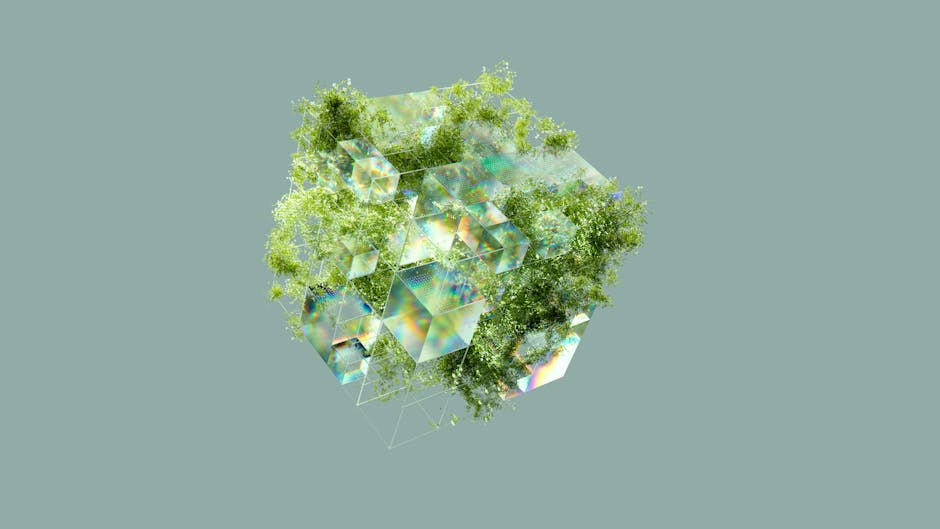
Sustainable Design Trends and Innovations: Shaping a Greener Future
Introduction to Sustainable Design
Sustainable design is increasingly vital in today’s world as the need for eco-friendly solutions grows. It involves creating buildings and spaces that minimize environmental impact while maximizing efficiency and comfort. By embracing green building materials and innovative technologies, designers are paving the way for a more sustainable future.
Emerging Trends in Sustainable Design
Use of Renewable Resources
One of the key trends is the integration of renewable resources, such as solar panels and wind energy, into building designs. These provide clean energy solutions that reduce reliance on fossil fuels. To explore more about renewable energy in architecture, visit our renewable energy in architecture section.
Smart and Adaptive Technologies
Smart technology, including automation systems for lighting and climate control, enhances energy efficiency. These innovations help building occupants reduce their carbon footprint while maintaining comfort. Learn more about smart building technologies.
Green Roofing and Walls
Implementing green roofs and living walls improves insulation, promotes biodiversity, and manages stormwater. For examples of effective green roof designs, browse our green roofs and walls section.
Innovations Driving Change
Innovative materials like cross-laminated timber and recycled steel are transforming construction practices. These materials reduce environmental impact and support sustainable development. To see how these materials are used, check out our sustainable building materials page.
Furthermore, biophilic design incorporates natural elements into indoor spaces, improving well-being and connection to nature. Discover more about biophilic design.
Conclusion
Staying updated with the latest sustainable design trends and innovations is essential for architects, interior designers, and homeowners dedicated to creating environmentally responsible spaces. Embracing these advancements leads to healthier, more efficient, and future-proof environments.