
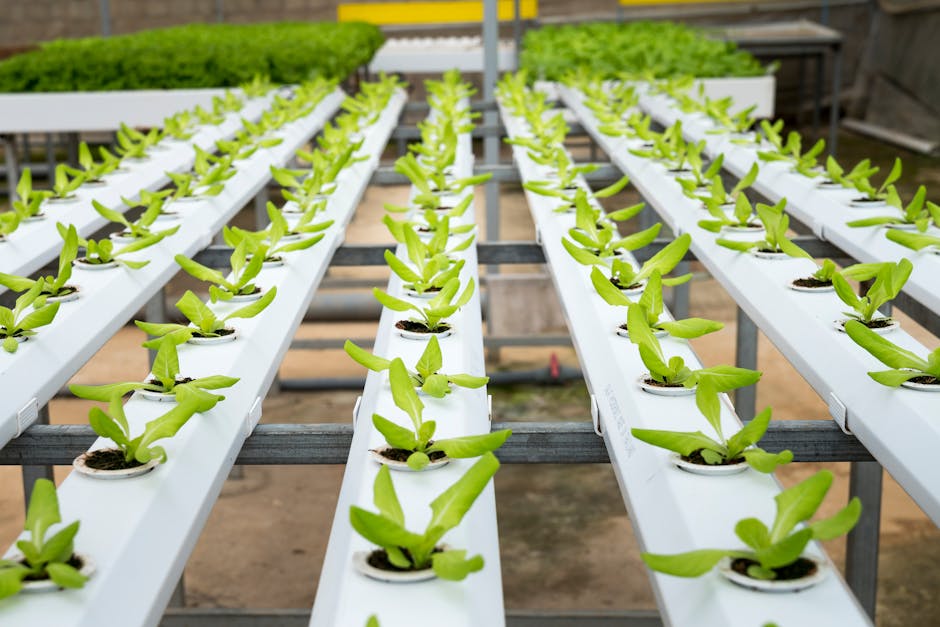
Innovative Approaches in Sustainable Farming
Introduction to Sustainable Farming Innovations
Sustainable farming is essential for ensuring food security while protecting our environment. Recent innovations in sustainable farming innovations are paving the way for more eco-friendly and efficient agricultural practices. These advancements help reduce resource consumption, decrease pollution, and promote biodiversity.
Smart Technology in Agriculture
One of the most remarkable innovations in sustainable farming involves the integration of smart technology, such as IoT sensors and data analytics. These tools enable farmers to monitor soil health, weather conditions, and crop growth in real-time, optimizing resource usage and increasing yields.
Agroforestry and Crop Diversity
Agroforestry practices combine trees and shrubs with crops or livestock, creating a more resilient and diverse ecosystem. This approach helps improve soil fertility, conserve water, and provide habitat for beneficial insects and wildlife.
Organic Farming and Reduced Chemical Use
Organic farming methods, which avoid synthetic chemicals, are a key component of innovative sustainable farming. They promote soil health and reduce chemical runoff, positively impacting nearby ecosystems and communities.
Innovative Water Management Techniques
Water conservation is vital in sustainable farming. Techniques such as drip irrigation and rainwater harvesting are gaining popularity. These methods help conserve water resources and ensure crops receive adequate moisture without waste.
Conclusion
As sustainable farming innovations continue to evolve, they offer promising solutions to environmental challenges and food production demands. Embracing these new methods can lead to a more sustainable and food-secure future.