
Discovering Synesthesia Through the Lens of Neuroscience
Understanding Synesthesia and Its Connection to Neuroscience
Synesthesia is a remarkable condition where sensory experiences become intertwined, such as seeing colors when hearing sounds or associating tastes with words. This phenomenon has intrigued scientists and psychologists alike, prompting extensive research into its underlying mechanisms.
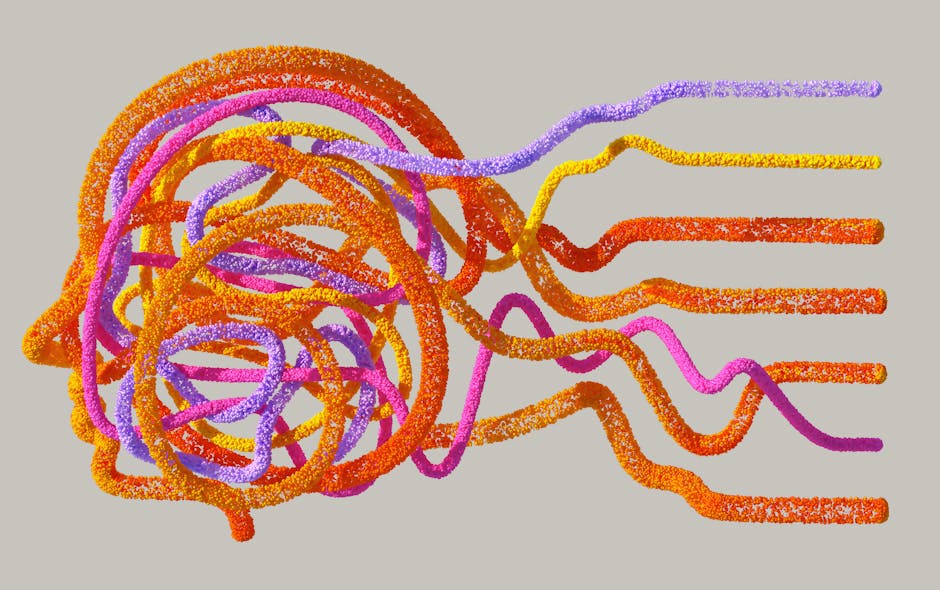
Thanks to advancements in neuroscience, we now have a better understanding of how the brain processes sensory information. For instance, research suggests that in individuals with synesthesia, there is increased connectivity between different brain regions, allowing for the blending of senses.
Recent studies utilizing functional magnetic resonance imaging (fMRI scans of the brain) have identified unique patterns of activity in synesthetes. These findings support the idea that synesthesia may result from atypical neural wiring or cross-activation between sensory areas.
What Causes Synesthesia?
Several theories have been proposed regarding the origins of synesthesia. Genetic factors appear to play a significant role, with some studies indicating a hereditary component. Additionally, neuroscience of brain development suggests that synesthetic connections may be a variation in how neural pathways are established during childhood.
The Implications of Synesthesia in Neuroscience
Understanding synesthesia not only sheds light on this unique sensory experience but also provides insights into how the brain perceives and integrates sensory information. Studying synesthetes can reveal much about neural plasticity and brain adaptability.
If you're curious about current neuroscience research on synesthesia, explore some of the latest studies and findings to learn more about this fascinating intersection of senses and the brain.