
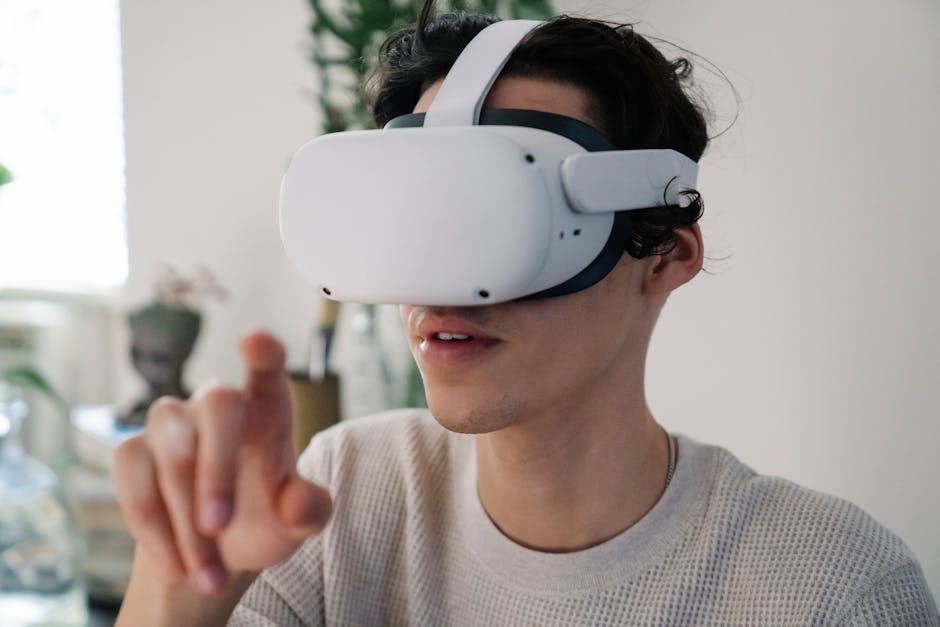
Exploring the Intersection of Technology and Heritage through Augmented and Virtual Reality
In recent years, technology has revolutionized the way we experience and preserve our heritage. Among these advancements, augmented reality (AR) and virtual reality (VR) have emerged as powerful tools for bringing history to life.
AR and VR enable immersive experiences that allow users to explore ancient sites or historical events from the comfort of their homes or on-site at heritage locations. For example, virtual reconstructions of archaeological ruins provide detailed views and interactive elements, enhancing education and engagement.
Institutions worldwide are adopting these technologies to protect and showcase their cultural assets. Rather than risking damage from excessive tourism, digital reconstructions offer a sustainable alternative for experiencing heritage sites. You can virtually walk through the ancient temples or museums in a way that was never possible before.
The integration of AR and VR in heritage preservation also assists archaeologists and conservators in planning restorations and understanding site conditions without invasive procedures. The digital datasets created can be invaluable for future research and education.
As this technology continues to evolve, the potential for connecting people worldwide with our shared history grows exponentially. Whether through virtual tours or augmented reality apps on smartphones, accessibility to cultural heritage has never been greater.
Embracing these innovations not only preserves our past but also inspires new generations to appreciate and protect their cultural legacy. Discover more about the role of AR and VR in digital heritage and how they are shaping the future of cultural preservation.