
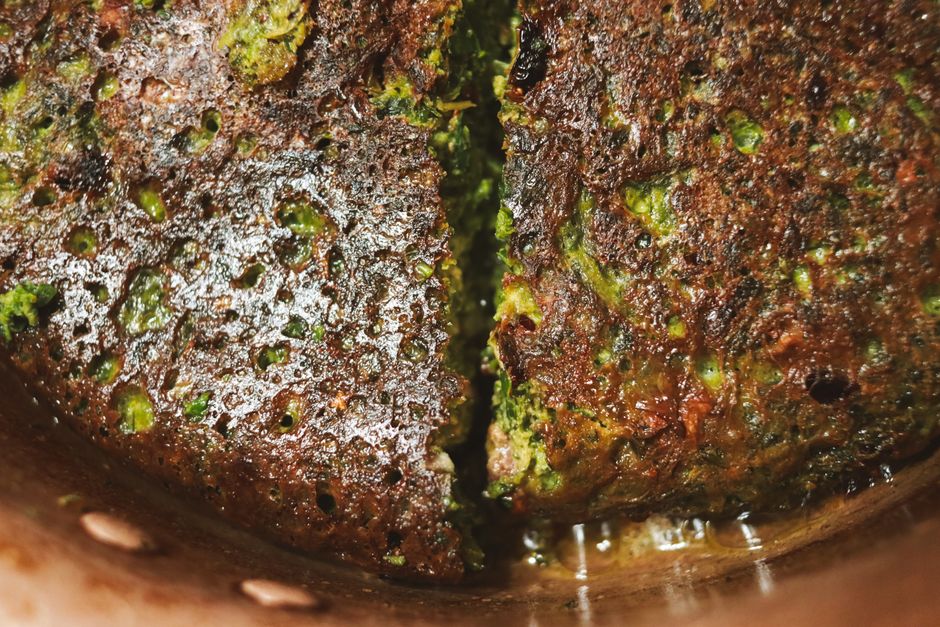
Understanding Texture in Cooking: Enhancing Your Culinary Skills
In the world of cooking, texture plays a crucial role in the overall experience of a dish. Whether it's the crispness of fresh vegetables or the creaminess of a well-crafted sauce, texture can elevate your culinary creations to new heights.
Achieving the desired texture in cooking requires understanding the properties of ingredients and mastering various techniques. For instance, crispy and crunchy textures can be achieved through proper frying or baking methods, while creamy and smooth textures often involve precise blending or emulsification.
Experimenting with different cooking techniques enables chefs and home cooks alike to create dishes with appealing textures. For example, incorporating sautéing and searing can add depth and crunch, whereas slow cooking might result in tender, melt-in-your-mouth results.
Understanding the role of texture not only improves the sensory experience but also enhances the presentation and overall satisfaction of your meals. Remember, the key to mastering texture is to balance it with flavor and appearance for truly delightful dishes.