
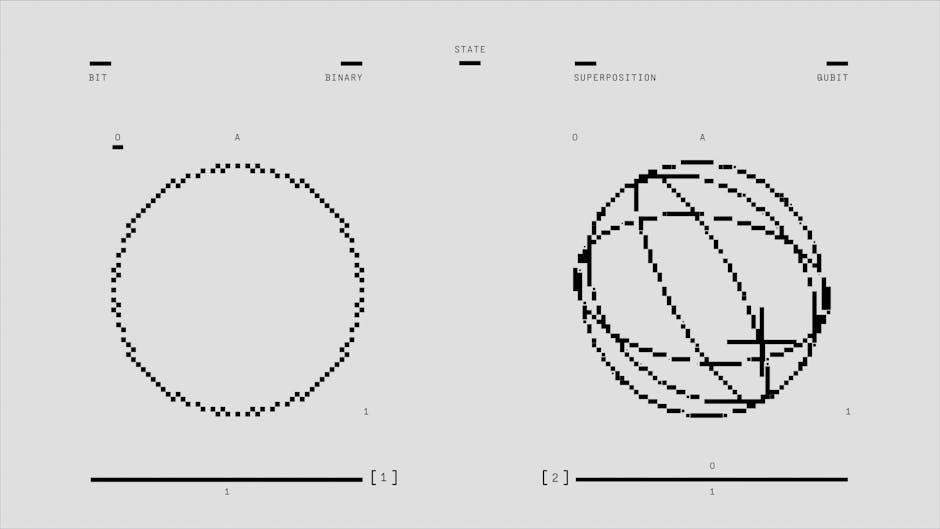
Top 5 Myths About Quantum Computing Debunked
Introduction
Quantum computing is rapidly evolving and gaining attention worldwide. However, many myths still circulate that can mislead the general public and enthusiasts alike. In this article, we will debunk the top 5 myths about quantum computing and shed light on the real capabilities and limitations of this technology.
Myth 1: Quantum computers are just faster classical computers
Myth 2: Quantum computing will replace classical computing soon
While quantum computers hold promise for certain applications, they are not expected to replace classical computers in the near future. Instead, their integration will complement existing systems.
Myth 3: Quantum computers are only for theoretical research
Quantum computing has already seen practical implementations, and industries such as cryptography, materials science, and pharmaceuticals are actively exploring its benefits. Many real-world applications are emerging today.
Myth 4: Quantum computing is too complex to understand
While the underlying physics can be challenging, educational resources and simplified explanations are making quantum computing more accessible. Learning about quantum principles is increasingly feasible.
Myth 5: Quantum hacking is imminent and undetectable
Security concerns exist, but many researchers are working on quantum-resistant encryption methods. The cybersecurity community is actively addressing these threats.
Conclusion
Understanding the realities of quantum computing is essential as the technology continues to develop. Debunking these myths helps promote a more informed perspective on its true potential and challenges.
For more detailed information, check out our full guide on quantum myths.