
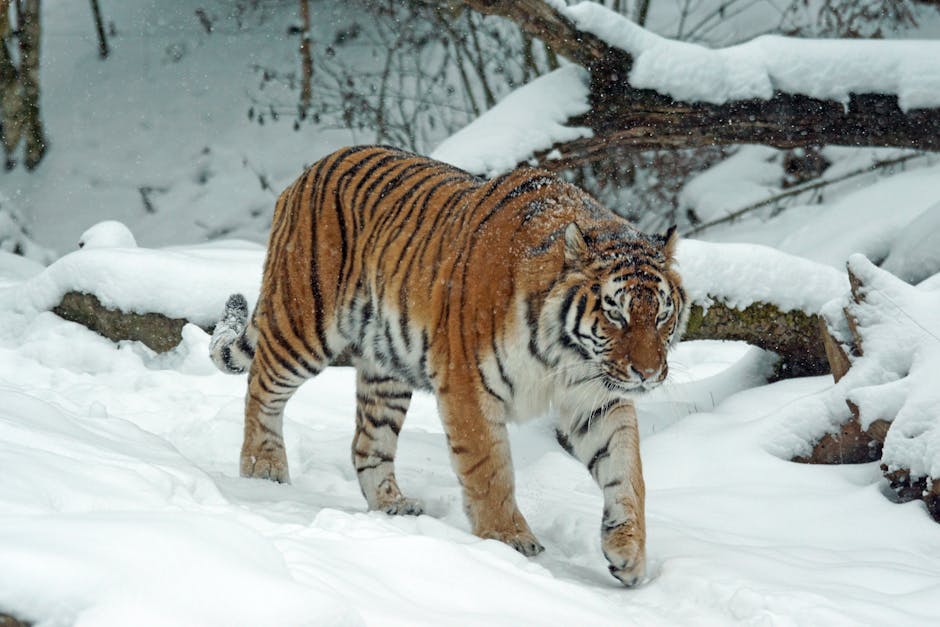
Top Secret Animal Behaviors in the Wild: Animals That Use Camouflage
Unveiling the Secrets of Wildlife Camouflage
Animals in the wild have evolved remarkable strategies to protect themselves from predators and hunt effectively. One of the most intriguing methods is camouflage. This natural adaptation allows creatures to blend seamlessly into their environment, making them nearly invisible to both prey and predators.
Types of Camouflage Used by Animals
Different species employ various types of camouflage, including cryptic coloration, disruptive patterns, and mimicry. For example, chameleons can change their skin color to match surroundings, while leaf-tailed geckos imitate leaves to hide from predators.
Examples of Camouflage in the Animal Kingdom
Some fascinating cases include the dead leaf butterfly, which resembles a dried leaf, and the praying mantis, that mimics plant parts to ambush prey effectively. These adaptations are vital for their survival and success in their respective habitats.
The Importance of Camouflage for Survival
Camouflage not only helps animals evade predators but also enhances their ability to hunt. Predators like the arctic fox use snow-covered environments to hide while stalking prey, showcasing the strategic importance of this trait.
Conclusion
The world of animals using camouflage is filled with secretive tactics that maximize their chances of survival. By studying these behaviors, researchers gain insights into the incredible adaptability of wildlife. To see more examples of these amazing animals, check out our collection on animals that use camouflage.