
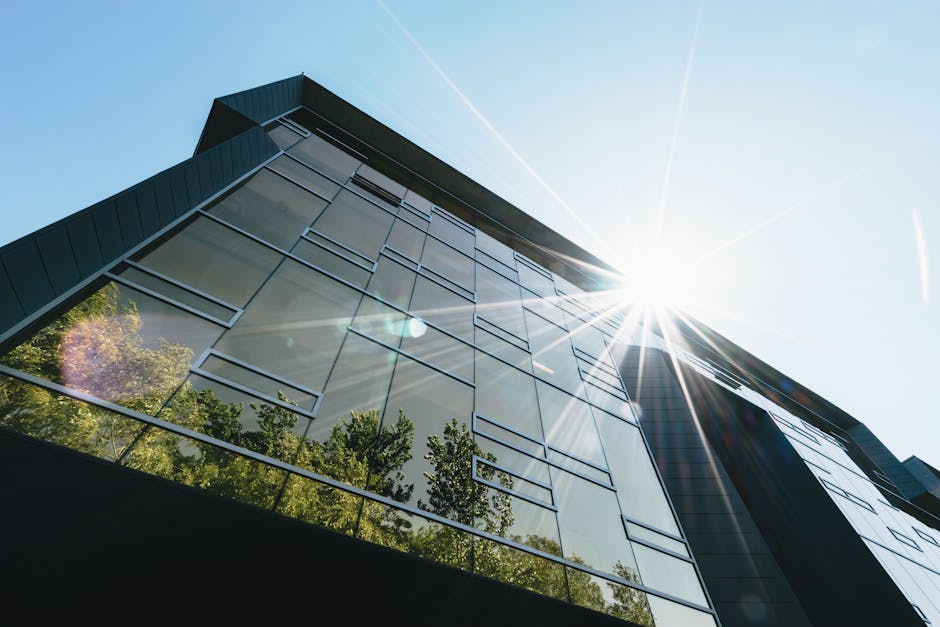
Top Trends in Green Architecture That Save Money
Introduction to Green Architecture
Green architecture is transforming the way we approach building design, focusing on sustainability and cost-efficiency. By incorporating eco-friendly materials and innovative methods, architects are creating structures that are not only environmentally responsible but also economical to operate.
Key Trends in Green Architecture
1. Passive Solar Design
Utilizing natural sunlight through strategic window placement and building orientation helps reduce reliance on artificial lighting and heating, leading to significant savings. Learn more about passive solar design benefits.
2. Green Roofs and Walls
Installing green roofs and walls offers insulation, reduces cooling costs, and enhances urban biodiversity. Explore examples of green roofs and walls in urban settings.
3. Energy-Efficient Materials
The use of high-performance insulation, low-emission windows, and sustainable building materials helps lower energy consumption. Check out energy-efficient materials in construction.
4. Water Conservation Technologies
Implementing rainwater harvesting and greywater recycling systems reduces water bills and conserves resources. Find out more about water conservation technologies.
Benefits of Green Architecture
In addition to reducing operational costs, green buildings improve indoor air quality and contribute to a healthier environment. For detailed insights, read benefits of green architecture.
Conclusion
Staying updated with top trends in green architecture can help property owners and designers implement cost-effective and environmentally friendly solutions. Embracing these innovations paves the way for sustainable and economical building practices.