
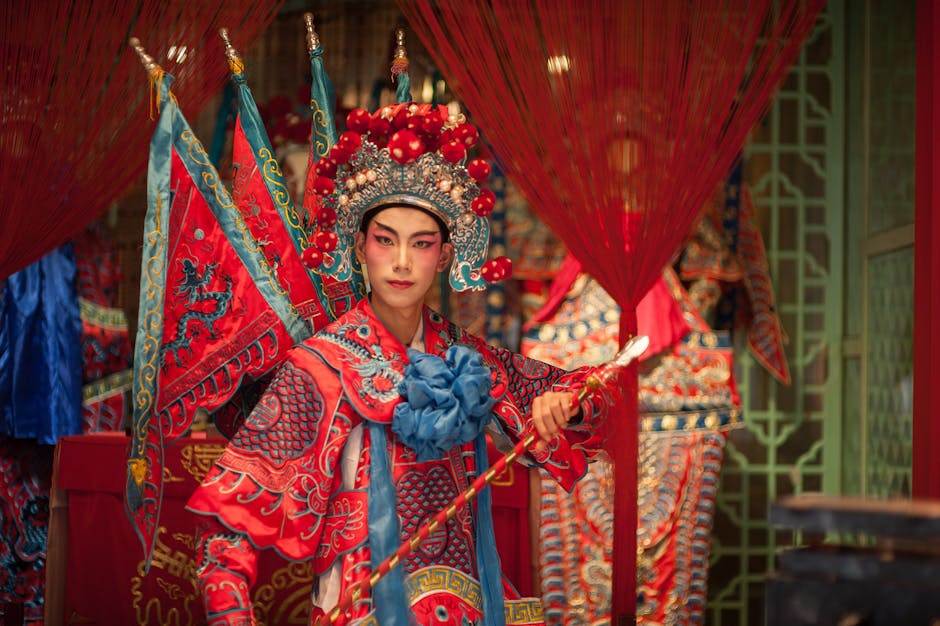
Understanding the Transnational Exchange of Folk Traditions
Folk traditions encompass a wide range of cultural expressions, including music, dance, crafts, and rituals that define a community's identity. In today's interconnected world, the transnational exchange of folk traditions plays a vital role in preserving these cultural practices while fostering cross-cultural understanding.
Through festivals, collaborations, and cultural programs, communities worldwide share their unique folk customs. This exchange not only revitalizes traditional arts but also allows communities to learn from each other, creating a vibrant mosaic of cultural diversity.
For example, traditional dances from one country might inspire new performances elsewhere, and craft techniques are often shared through workshops and exhibitions. These interactions help sustain folk traditions by adapting them to modern contexts and ensuring their relevance for future generations.
Furthermore, digital platforms have expanded the reach of these exchanges, enabling enthusiasts and practitioners to connect regardless of geographical boundaries. The cultural exchange fostered by such initiatives encourages mutual respect and appreciation among different communities.
In conclusion, the transnational exchange of folk traditions is essential for the preservation and evolution of cultural heritage. Embracing this global sharing nurtures a sense of shared humanity and enriches our collective cultural landscape.