
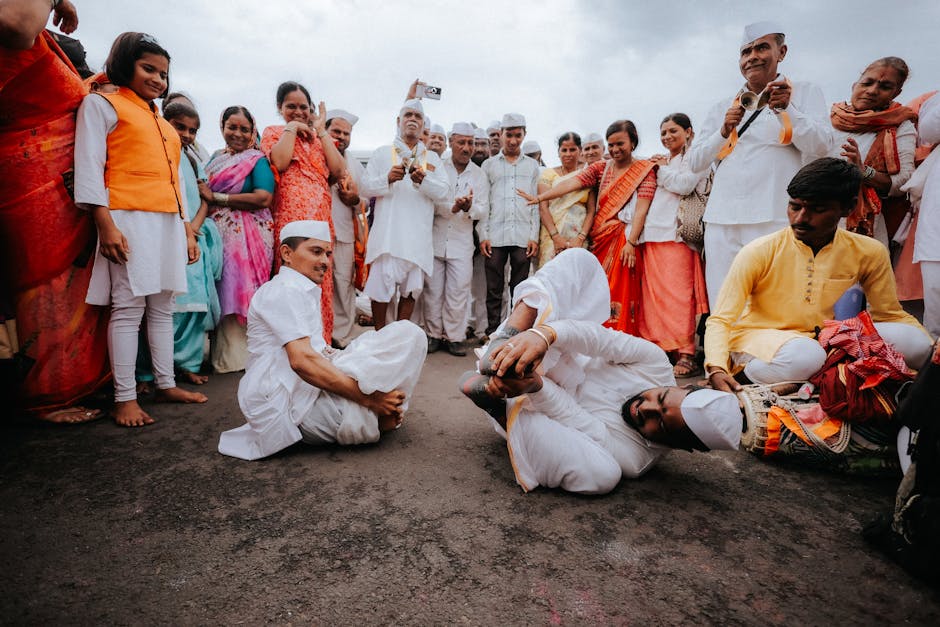
The Impact of Transnational Exchange on Folk Traditions
Understanding Transnational Exchange of Folk Traditions
The transnational exchange of folk traditions refers to the dynamic process where cultural practices, music, dance, crafts, and festivals are shared and adapted across borders. This exchange plays a significant role in shaping contemporary cultural landscapes and promoting intercultural understanding.
The Positive Impact on Cultural Diversity
One of the main benefits of this phenomenon is the enhancement of cultural diversity. When traditional practices are introduced to new audiences, they often undergo adaptation, leading to vibrant hybrid forms that enrich global heritage.
Preservation and Innovation
Transnational interactions contribute to the preservation of folk traditions by encouraging younger generations to learn and maintain their cultural roots. Simultaneously, it fosters innovation within traditional arts, ensuring they remain relevant and engaging in modern times.
Challenges and Cultural Appropriation
Despite its many advantages, transnational exchange can also lead to challenges such as cultural appropriation or dilution of authentic practices. It is essential to approach these exchanges with respect and sensitivity to their origins.
The Future of Folk Traditions in a Globalized World
As globalization continues, the impact of globalization on folk traditions will likely intensify. Efforts to document, promote, and adapt these traditions responsibly can help ensure their survival and continued relevance.
For a deeper understanding, visit our page on impact and explore how cultural exchanges shape our world.