
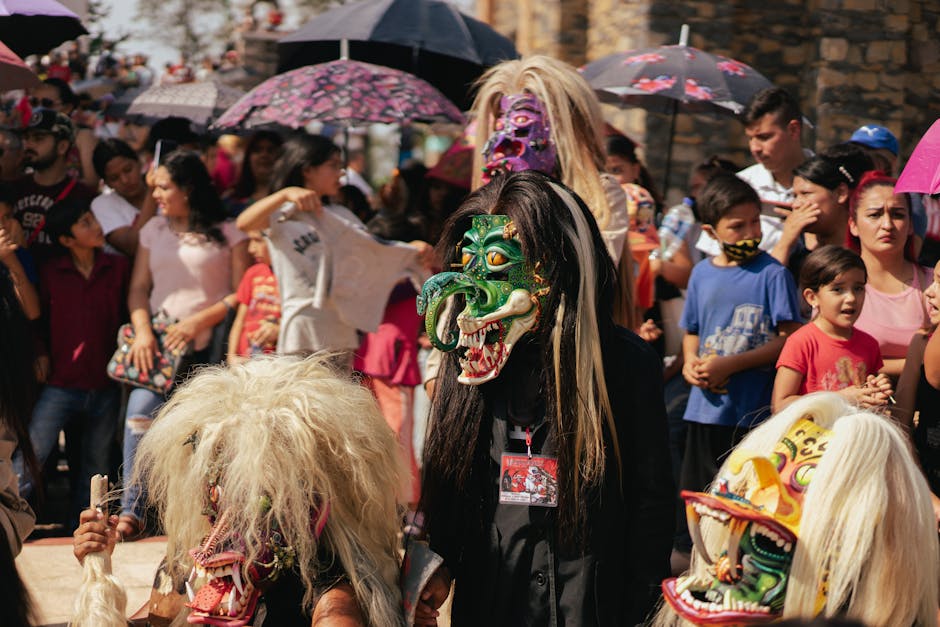
Exploring the Transnational Exchange of Folk Traditions
The Significance of Transnational Folk Tradition Exchange
Across the globe, folk traditions serve as vital expressions of cultural identity. The transnational exchange of folk traditions has become increasingly prevalent, fostering understanding and appreciation among diverse communities.
How Cultural Exchange Enriches Folk Traditions
When different cultures share their cultural heritage, it results in dynamic blending and evolution of folk dance, music, festivals, and crafts. These exchanges can occur through events, migration, tourism, or digital platforms, broadening the reach of traditional practices.
Examples of Transnational Folk Tradition Exchange
For example, the exchange of Mediterranean music styles or Asian dance rituals illustrates how communities adapt and incorporate elements from others, creating new folk art expressions. These shared traditions often become symbols of solidarity and mutual respect.
Benefits of Cross-Border Cultural Sharing
This transnational process helps preserve cultural preservation efforts, promotes tourism, and fosters global connections. It encourages dialogue, understanding, and appreciation for the diversity of human expression.
Promoting Transnational Folk Traditions in the Digital Age
With the rise of digital technology, sharing folk traditions has become more accessible. Virtual festivals, online workshops, and social media platforms enable communities worldwide to showcase and learn from each other.
In conclusion, the transnational cultural exchange of folk traditions plays a pivotal role in fostering global understanding and cultural diversity. By supporting these exchanges, we contribute to a richer, more interconnected world.